

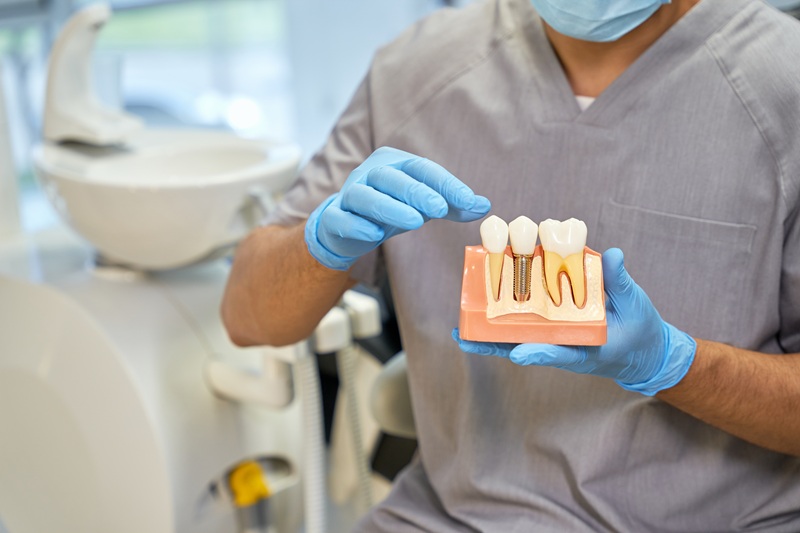
For many people, the biggest hesitation around dental implants isn’t the treatment itself, but the question of how to pay for it. It’s one of the most common topics that comes up in consultations, and a fair concern given that dental implants are a long-term investment in your oral health.
If you’ve been exploring dental implants in Brisbane and trying to understand what’s actually achievable financially, this guide walks through the main payment options available, what typically influences the cost, and how to plan ahead with more confidence.
What Influences the Cost of Dental Implants?
There’s no single fixed price when it comes to dental implants cost in Brisbane since every treatment plan is genuinely individual. Some of the factors that affect the final cost include:
- The number of implants required — replacing a single tooth is very different from full mouth dental implants cost Brisbane patients might face
- Whether preparatory treatment is needed — such as bone grafting, gum disease treatment, or tooth extraction
- The type of restoration — a single crown, a bridge, or a full arch prosthesis
- Diagnostic imaging and consultations included in the treatment plan
- The complexity of the case — there are many factors when it comes to understanding whether you are a good candidate for dental implants, including bone density, gum health, and where the implant sits in the mouth
This is why patients searching for the cheapest dental implants in Brisbane sometimes find quotes that vary significantly. The lowest figure isn’t always the most informative, because it may not include everything a complete treatment plan requires. Asking for a clear breakdown of what’s included is far more useful than comparing headline prices alone.
For a closer look at what the treatment itself involves, our step-by-step guide to the dental implant procedure covers each stage in detail.
Health Fund Cover for Dental Implants
If you have private health insurance with extras cover, it’s worth checking what your fund offers for major dental. Health fund cover for dental implants varies widely between providers and policy levels.
Some funds contribute toward the implant itself, others cover only the crown, and many have annual limits that may not stretch to the full treatment in one year.
A few practical tips:
- Call your fund directly and ask about item numbers for implant procedures (your dentist can provide these)
- Ask whether your annual limit resets in January or July, as this can affect timing
- Confirm any waiting periods if you’ve recently upgraded your cover
Even partial cover can meaningfully reduce out-of-pocket costs, so it’s worth doing the research before treatment begins.
Interest-Free Payment Plans
For patients looking at affordable dental implants in Brisbane clinics, interest-free dental payment plans are one of the most common pathways. These plans let you spread the cost of treatment across weekly or fortnightly instalments rather than paying upfront.
A payment plan for dental implants typically works through a third-party provider, with structures that vary depending on the total treatment cost and your preferred repayment timeframe. Many patients use these alongside their health fund contribution, which can make the upfront figure feel much more manageable.
There are multiple options you may look at in case you are determined to get dental implants on a budget.
Afterpay, Zip, and Buy-Now-Pay-Later Options
For smaller portions of treatment, such as consultations, imaging, or individual appointments, services like Afterpay dental or Zip Pay dental, can help split payments over shorter timeframes. These tend to suit specific stages of treatment rather than the full cost of an implant, but they can be a useful piece of the wider plan.
It’s worth checking which providers your dental clinic accepts before assuming it’s available, as not every practice partners with every provider.
Using Superannuation for Dental Treatment
In some cases, patients may be eligible to access their superannuation early for dental treatment on compassionate grounds. Superannuation for dental implants is something the Australian Tax Office (ATO) assesses on a case-by-case basis, generally where the treatment is deemed necessary to relieve chronic pain or treat a serious medical condition.
This isn’t a fast process, and it isn’t right for everyone. It usually involves supporting documentation from your dentist and other healthcare providers.
If you’re considering this route, it’s a good idea to speak with both the ATO and a qualified financial adviser to understand the implications.
Are Dental Implants Worth the Investment?
It’s a fair question, and one many patients ask.
Implants are designed as a long-term tooth replacement solution, and they’re the only option that helps preserve the jawbone in the way natural tooth roots do, which is something worth weighing when thinking about value over time. However, there are also other factors that may affect it before anyone can push through with it.
If you’d like to understand the basics of how the treatment works before getting into the financial side, our guide on what dental implants are and what they’re for is a good place to start.
Planning a Larger Treatment
For patients exploring full mouth dental implants, the conversation often expands beyond single-tooth pricing into full arch solutions like All-on-4. Because these treatments involve multiple implants and a custom prosthesis, the cost structure differs, but so do the payment options, with some plans designed specifically for larger treatments.
Our guide on how All-on-4 differs from traditional dentures explains how this treatment compares to other full arch alternatives.
Having the Cost Conversation With Your Dentist
The most useful thing you can do is have an open conversation about cost early in the process. A good implant consultation should include:
- A clear, itemised treatment plan
- Discussion of any preparatory treatment needed
- Information about which payment options the practice accepts
- Guidance on what your health fund may contribute
At Greenslopes Dental Studio, our team works through these details transparently so you can plan with confidence. Dr. James You leads our implant treatments and is happy to talk through what’s involved in your specific case during a consultation.
Moving Forward With Clarity
Dental implants are a significant decision, and the financial side is a big part of that. The good news is that between health funds, payment plans, financing providers, and in some cases superannuation, there’s usually more flexibility than people initially realise.
If you’d like to explore dental implant options in Brisbane, our team is happy to walk you through the costs, the options, and the steps involved. Greenslopes Dental Studio can provide more understanding of whether you’re a good candidate for the treatment. We also accept payment plans for you to get treatment in more affordable payment terms.
Consult with our team today.
Frequently Asked Questions
How much do dental implants cost in Australia?
Costs vary significantly depending on the number of implants, the type of restoration, and any preparatory treatment required. A single implant treatment is structured very differently to full arch replacement, so the most useful figure comes from a tailored consultation rather than an online average.
Does Medicare cover dental implants?
Medicare generally does not cover routine dental treatment, including implants, for adults. Some limited exceptions exist for specific medical situations.
Most patients rely on a combination of health fund extras, payment plans, and personal savings.
Can I split the cost of dental implants across multiple stages?
Yes. Because implant treatment happens in stages, many patients pay for each phase as it occurs, which can help spread the cost naturally over several months.
Are dental implants tax deductible in Australia?
Dental treatment isn’t generally tax-deductible for individuals in Australia, but it’s worth confirming with a registered tax agent based on your personal circumstances.

