

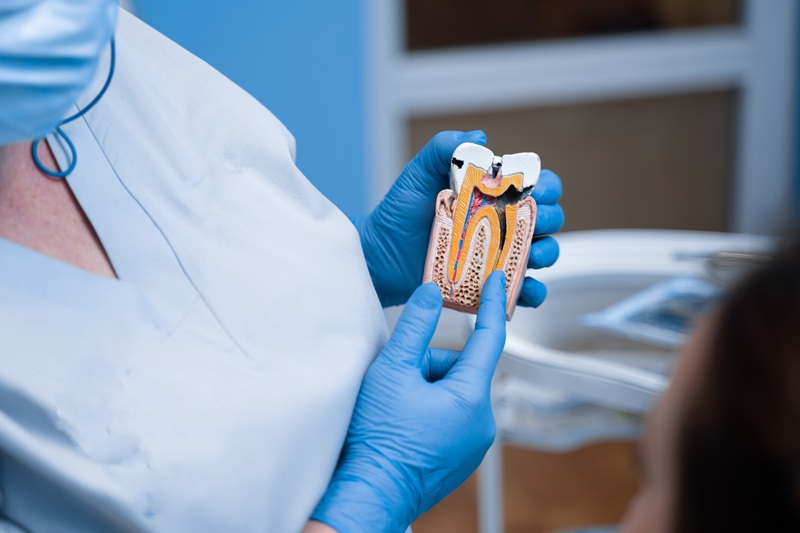
Few dental procedures carry more unease around them than root canal treatment. The mention alone is enough to make some patients tense up. Even though, for most, the reality is far less dramatic than the reputation suggests.
A lot of the worry comes from outdated information, anecdotal horror stories, and a steady stream of misinformation online. Let’s help you understand which of them are myths, actual facts, and what to expect at each stage if a root canal is recommended for you.
Common Myths About Root Canal Treatment
Myth 1: “A root canal is incredibly painful”
This is by far the most persistent myth, and it comes from a time when dental technology and pain management were very different. Today, the experience is closer to having a routine filling than the ordeal many people imagine.
Modern root canal anaesthetic numbs the area thoroughly, and most patients report feeling pressure rather than discomfort during the appointment itself.
So is root canal painful in the way most people fear? Generally, no. The root canal pain people associate with the procedure is usually the infection that led them to need it in the first place, and treatment is what relieves that.
Myth 2: “It’s better to just pull the tooth”
This one comes up often, especially when patients are weighing root canal vs tooth extraction. Removing a tooth might seem like a quicker solution, but it usually creates more problems down the line: shifting neighbouring teeth, bone loss in the jaw, and the need for replacement options like a bridge or implant.
A root canal preserves the natural tooth, which is almost always the better long-term outcome.
Myth 3: “Root canals cause illness elsewhere in the body”
This myth resurfaces online periodically and is based on debunked research from over a century ago. There is no credible scientific evidence linking endodontic treatment to systemic illness. The procedure removes infection from the tooth, which actually reduces the risk of bacteria spreading further.
Myth 4: “The tooth is dead, so it won’t last”
A tooth that has had a root canal procedure no longer contains living pulp, but the tooth structure itself is preserved and continues to function normally. With proper care, typically including a root canal crown to protect the structural integrity, a treated tooth can last for many years.
Myth 5: “If it doesn’t hurt, I don’t need treatment”
Some dental pulp infections progress without obvious symptoms, especially in the early stages or once the nerve has died. Pain isn’t the only indicator when it comes to dental problems. Discolouration, swelling, a recurring pimple on the gum, or sensitivity to pressure can all signal an issue.
If you want to understand it better, our guide on the signs you might need a root canal covers these in more detail.
The Facts: What a Root Canal Actually Is
A root canal treatment involves removing the infected or inflamed pulp from the inside of the tooth, cleaning the canals, and sealing them to prevent reinfection. The pulp contains the tooth’s nerves and blood vessels, which is why tooth nerve removal is often part of the procedure when the pulp becomes infected.
Endodontic treatment is typically recommended when:
- Decay has reached the inner pulp
- A tooth has been cracked or chipped deeply enough to expose the pulp
- An old filling or restoration has allowed bacteria to reach the nerve
- Trauma has damaged the inner structure of the tooth
Diagnosis usually involves a clinical examination and dental imaging. Know more about why our dentists need these through our guide on why dentists take X-rays during check-ups. It explains how imaging helps detect these issues early.
What to Expect: Before, During, and After
Before the procedure
Your dentist will discuss the diagnosis, review your imaging with you, and walk through what the treatment involves. Any questions about anaesthetic, recovery, or the procedure itself should be raised at this stage. Being informed makes the appointment far less stressful.
During the procedure
The actual treatment usually takes one to two appointments depending on the tooth and the complexity of the case. After the local anaesthetic is administered, the dentist accesses the inside of the tooth, removes the infected pulp, cleans and shapes the canals, and seals them.
A temporary or permanent filling is placed afterwards, and a crown is often recommended to protect the tooth structure long-term. Our root canal treatment page walks through each clinical step in more detail.
After the procedure
This is the stage most patients underestimate. Root canal recovery is usually straightforward but isn’t instant. So, knowing what to expect after a root canal makes the days following treatment feel far more predictable.
In the first few days:
- Mild tenderness or sensitivity is common, especially when biting
- The numbness from the anaesthetic fades over a few hours
- Soft foods on the opposite side of the mouth are easier for the first 24-48 hours
- Over-the-counter pain relief is usually sufficient if needed
Worth keeping an eye out for:
- Severe pain that worsens after several days
- Visible swelling around the treated tooth
- Failed root canal symptoms such as a return of the original discomfort or persistent pressure
Most people return to normal activities the next day, with the surrounding tissues fully settling over a few weeks. However, each patient’s recovery timeline can differ from one another. The best thing to do is to follow the dentist’s orders during your recovery period.
The Real Story Behind Root Canals
Stripping away the myths leaves something a lot less intimidating than most people expect: a routine, well-understood procedure designed to save a tooth that would otherwise be lost.
Knowing what’s true, what’s not, and what actually happens at each stage takes most of the worry out of the equation and makes the decision a much easier one when treatment is recommended. The earlier root canal treatment is started, the more straightforward the procedure and recovery tend to be.
If you’ve been told you may need a root canal treatment in Brisbane, or you’d like to understand your options, the team at Greenslopes Dental Studio is happy to walk you through what’s involved.
Set a schedule with our dentists for better dental health.
Frequently Asked Questions
Does a root canal hurt?
The procedure itself is performed under local anaesthetic, so most patients feel pressure rather than pain during treatment. Mild tenderness afterwards is common but typically settles within a few days with simple pain relief.
How long does a root canal take?
Most treatments are completed in one to two appointments, with each visit usually lasting between 60 and 90 minutes. The exact time depends on which tooth is being treated and how complex the case is.
Do I always need a crown after a root canal?
Not always, but it’s commonly recommended, especially for the back teeth that take more force during chewing. A crown protects the remaining tooth structure and reduces the risk of fracture.
What happens if I don’t get a root canal when it’s needed?
Without treatment, the infection inside the tooth can spread to the surrounding bone, cause an abscess, and eventually result in losing the tooth. It can also affect the gums and surrounding teeth.

