

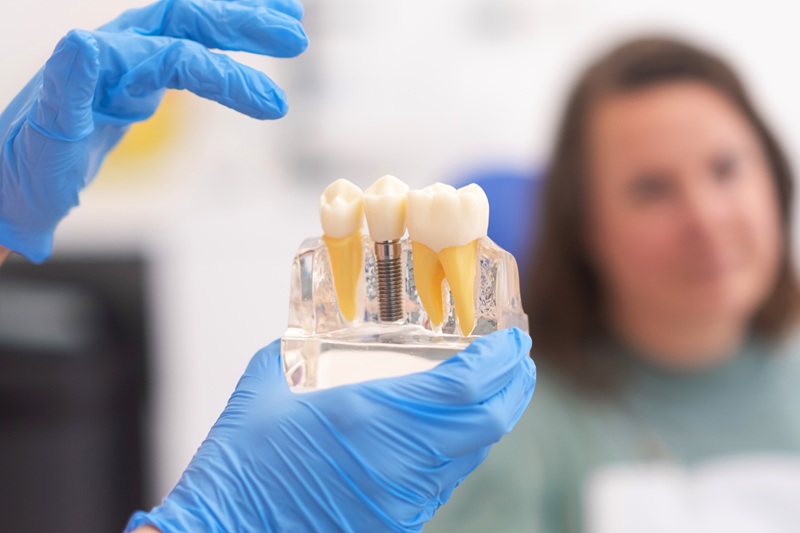
If you’re considering dental implants to replace a missing tooth, understanding what the process actually involves can go a long way toward easing any uncertainty. The modern dental implant procedure is well-established, carefully planned, and carried out in stages, where each one is designed to give you restoration for the long-term.
This dental implant guide walks you through the full tooth implant process from start to finish, so you know exactly what to expect at every stage of your tooth replacement treatment journey.
Step 1: Initial Consultation and Planning
Every implant case begins with a thorough dental implant consultation and planning phase. During this first appointment, your dentist will assess your oral health, review your medical history, and take detailed imaging to evaluate the condition of your jawbone and surrounding structures.
This stage is about more than just checking whether you’re a suitable candidate. It’s about building a personalised treatment plan that accounts for your specific anatomy, the position of the missing tooth, and your overall goals.
If you’d like a broader understanding of what implants are and how they are used, our guide on what dental implants are and what they’re for covers the fundamentals.
Your dentist will also discuss any preparatory treatment that may be needed before the implant can be placed, such as bone grafting if there has been significant bone loss in the area, or treatment for any existing gum disease.
Step 2: Implant Placement
The implant placement procedure is the core surgical stage of the dental implant procedure steps. During this appointment, a small titanium post is carefully positioned into the jawbone at the site of the missing tooth. This post acts as an artificial tooth root, the foundation that will eventually support your replacement tooth.
The procedure is carried out under local anaesthesia, so you should not feel pain during the placement itself. Most patients describe the experience as more comfortable than they expected. Depending on the complexity of the case, the appointment typically takes around one to two hours.
Once the implant is in position, the gum tissue is closed over or around the post, and the healing phase begins.
Step 3: Healing and Osseointegration
This is the stage where patience pays off. After the implant is placed, your body begins a natural bonding process known as osseointegration, on which dental implants rely on for their long-term stability. During osseointegration, the jawbone gradually fuses with the surface of the titanium post, creating a secure and permanent anchor.
This healing after dental implants phase typically takes anywhere from three to six months, depending on the individual. During this time, you may be fitted with a temporary restoration so that the gap is not visible while you wait.
It’s important to follow your dentist’s aftercare instructions carefully during this period. Maintaining good oral hygiene, avoiding excessive pressure on the implant site, and attending follow-up appointments all contribute to a smooth dental implant recovery process.
Our article on how dental implants support jawbone health explains why this bonding phase matters so much for your long-term oral health.
Step 4: Abutment Placement
Once osseointegration is complete and the implant is firmly integrated with the bone, the next step is placing the abutment. This is a small connector piece that sits on top of the implant post and serves as the link between the implant and the final crown.
Placing the abutment is a relatively minor procedure. In some cases, it’s done at the same time as the implant placement, but more commonly it’s a separate short appointment after healing is confirmed. A small amount of gum tissue is opened to expose the top of the implant, the abutment is attached, and the gum is allowed to heal around it over the following weeks.
Step 5: Crown Fitting
The final stage of the dental implant procedure is the one most patients look forward to: the fitting of the custom-made crown. This is the visible part of the implant that looks and functions like a natural tooth.
Your dentist will take impressions or digital scans of your mouth to ensure the crown matches the shape, size, and colour of your surrounding teeth. Once fabricated, the crown is securely attached to the abutment, completing the restoration.
The result is a replacement tooth that blends in with your natural smile, feels stable when you bite and chew, and is designed to last for many years with the right care.
What to Expect During Recovery
The dental implant recovery process varies from person to person, but most patients experience only mild discomfort after the surgical stages. Some swelling, bruising, or tenderness around the implant site is normal in the first few days and can usually be managed with over-the-counter pain relief and cold compresses.
Your dentist will provide specific aftercare guidance tailored to your case, including advice on eating, cleaning around the implant site, and when to return for follow-up visits. Most people are able to return to their regular routine within a day or two of the placement procedure.
Your Implant Journey Starts with the Right Team
The stages of dental implant treatment may span several months, but each step is purposeful for a stable and functional tooth replacement. Understanding what to expect during dental implant surgery and beyond helps you feel more prepared and confident throughout the process.
If you’re considering dental implants in Brisbane, Greenslopes Dental Studio is ready to assist you. You will be guided and supported by Dr. James You, who leads our implant care with a special interest in dental implants and surgical procedures.
Learn more about dental implants by booking an appointment with us.
Frequently Asked Questions
How long does the full dental implant process take?
From initial consultation to final crown placement, the full process typically takes between four and nine months. The majority of that time is the healing phase, during which the implant integrates with the jawbone.
Is the implant placement procedure painful?
The procedure is performed under local anaesthesia, so you should not feel pain during surgery. Some mild discomfort and swelling are normal in the days following, but most patients find it very manageable.
Can I eat normally during the healing phase?
You will need to stick to soft foods for the first few days after placement and avoid chewing directly on the implant site. Your dentist will advise when it’s safe to gradually return to your normal diet.
What happens if osseointegration doesn’t occur?
In rare cases, an implant may not integrate successfully with the bone. If this happens, the implant is removed, the area is allowed to heal, and a new implant can often be placed at a later date.
How long do dental implants last?
With proper care and regular dental check-ups, dental implants are designed to be a long-term solution. The implant post itself can last many years, while the crown may need occasional maintenance or replacement over time.

