

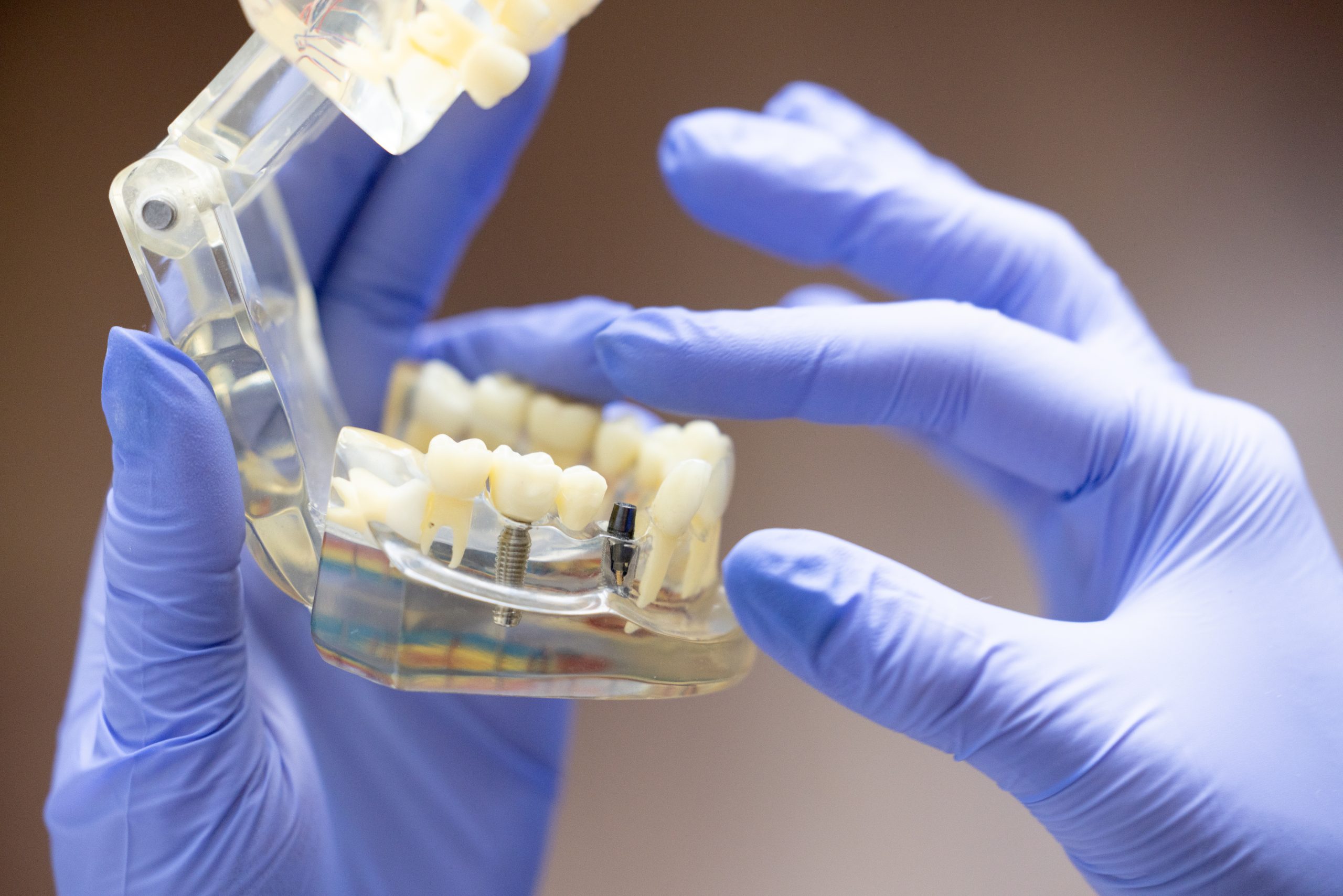
If you’re dealing with multiple missing or failing teeth, all on 4 dental implants are often worth exploring. But before getting into the details, most people want to know one thing first. Would I actually be suitable for this treatment?
The honest answer is that candidacy depends on a combination of factors. The only way to know for certain is through a proper consultation. That said, understanding what dentists actually look at can help you walk into that conversation feeling more prepared.
What Is All-on-4 Dental Implants?
Before covering candidacy, it helps to understand what is all on 4 dental implants at a basic level.
All-on-4 dental implants are a treatment that uses four strategically placed implants to support a complete set of fixed teeth. It’s an approach to full-mouth dental implants that can work even where bone volume is limited. Traditional implant placement often needs more bone than this.
Want a fuller picture of what all-on-4 dental implants are and how they work? Read our guide to learn the basics in more depth.
Key Factors That Influence All-on-4 Candidacy
Several things come into play when a dentist assesses all-on-4 dental implants candidacy. The most important thing you need to remember is that none of them are automatic disqualifiers on their own. They’re simply factors that shape the treatment plan.
Jawbone density and volume
One advantage of this approach is that it’s often suitable even where bone density for dental implants would rule out other options. That’s because your dentist angles the four implants to make use of the strongest available bone.
Our guide on how dental implants support jawbone health explains why bone quality matters so much for long-term implant success.
Gum health
Healthy gums are important for any implant treatment. Active gum disease and dental implants don’t mix well, so any existing gum disease usually needs to be treated and stabilised before All-on-4 can proceed.
Overall health
Certain health conditions, such as uncontrolled diabetes or conditions that affect healing, can influence timing or candidacy. Your dentist assesses this individually, as many people with well-managed conditions go on to have successful treatment.
Number of missing or compromised teeth
Dentists generally consider All-on-4 implants for patients missing most or all of their teeth in an arch. It may also suit those with multiple teeth failing beyond repair.
Lifestyle factors
Smoking is one of the most significant factors affecting healing and long-term implant success. Your dentist will usually discuss this as part of the assessment.
Who Might Need Further Assessment First
Some situations call for extra steps before all-on-4 implants become a realistic option. This might include patients with significant bone loss, unmanaged gum disease, or certain uncontrolled medical conditions.
In many cases, these aren’t permanent barriers. They simply mean that the underlying issues should be addressed first, sometimes alongside supporting treatments like bone grafting.
On the other hand, who is not a candidate for dental implants isn’t a fixed list; it’s something your dentist works through with you based on your specific circumstances.
What Happens During a Candidacy Consultation
A proper consultation typically includes a clinical examination, diagnostic imaging (usually a CT scan to assess bone structure), and a discussion of your dental and medical history. This is where dental implant eligibility requirements are assessed on an individual basis rather than through general assumptions.
For a closer look at what the treatment pathway looks like once candidacy is confirmed, our step-by-step guide to the dental implant procedure walks through each stage.
Weighing Up the Investment
All-on-4 dental implants cost is naturally part of the decision-making process, and it varies depending on individual circumstances, including whether any preparatory treatment is needed.
Rather than comparing headline figures, a clear, itemised consultation is the most reliable way to understand what your specific treatment would involve. If you’re considering it and would want to talk to a dentist in Greenslopes, QLD, Greenslopes Dental Studio can provide an understanding of what’s appropriate for you.
All-on-4 Compared to Other Options
For some patients, an implant supported full denture vs all on 4 comparison is worth discussing with your dentist, since both are full-arch solutions but differ in how they’re secured and maintained.
Our guide on how All-on-4 differs from traditional dentures breaks down these differences in more detail, which can help frame the conversation before your consultation.
Finding Out Where You Stand
There’s no substitute for a proper assessment when it comes to understanding your own candidacy for full mouth dental implants. Every case is different, and factors like bone health, gum condition, and general wellbeing all play into the picture your dentist builds during a consultation.
For an all-on-4 dental implants assessment in or around Greenslopes, QLD, our team at Greenslopes Dental Studio can help. At our clinic, Dr. James You leads dental implants and All-on-4 assessments and treatment, working through each of these factors with patients individually to determine whether the treatment is the right fit, and what alternatives might suit better if it isn’t.
Book a consultation with us to know if an all-on-4 dental implants treatment is right for you.
Frequently Asked Questions
Can I get All-on-4 if I’ve lost a lot of bone in my jaw?
Often, yes. All-on-4 is specifically designed to work with available bone by angling the implants strategically, which is one reason it suits patients who might not be candidates for other implant approaches.
A consultation with imaging will confirm what’s possible in your case.
Does gum disease rule out All-on-4 treatment?
Active gum disease typically needs to be treated and stabilised first, but it doesn’t necessarily rule out treatment long-term. Your dentist will assess your gum health as part of the overall picture.
How long does the candidacy assessment process take?
This varies, but it generally involves one consultation appointment with imaging, followed by a follow-up to discuss the treatment plan once your results have been reviewed.
Is All-on-4 only for people missing all their teeth?
It’s most commonly recommended for patients missing most or all teeth in an arch, or with multiple failing teeth, though your dentist can advise whether it’s the right fit for your specific situation.

