

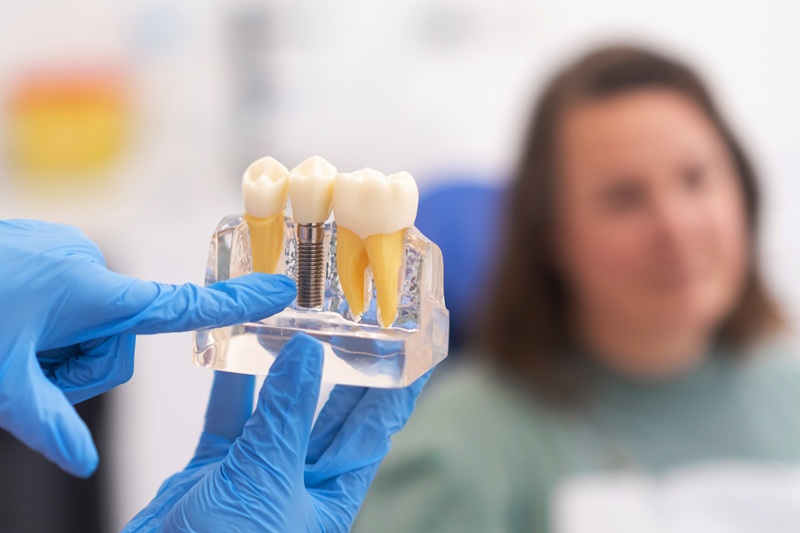
Dental implants are designed to function like natural teeth, but they ask a little more attention from you in return. The good news is that looking after them isn’t complicated. It’s mostly about consistency, the right tools, and knowing what to watch for.
Whether you’ve just had implant surgery or you’re considering treatment and want to understand what comes next, this guide will help give you a glimpse of what dental implant aftercare looks like, from the early healing phase to long-term maintenance.
The First Few Days: Home Care After Implant Surgery
The first 48 to 72 hours after surgery are when home care after dental implant surgery matters most. The implant site needs time to settle, and small habits during this window make a big difference.
A few things to focus on:
- Manage swelling early — cold compresses to the cheek (15 minutes on, 15 minutes off) help reduce inflammation in the first day or two
- Stick to soft foods — soups, smoothies, yoghurt, scrambled eggs, and mashed vegetables protect the site
- Avoid the surgical area when brushing for the first few days; clean your other teeth as normal
- No rinsing or spitting forcefully in the first 24 hours, as this can disturb the clot forming around the implant
- Skip straws, smoking, and alcohol — all three interfere with early healing
Mild swelling, slight bruising, and tenderness are all normal in this phase. If something feels significantly off, like if you experience heavy bleeding, sharp pain that worsens, or fever, that’s worth a phone call to your dental team.
For a closer look at the surgical process itself, our step-by-step guide to the dental implant procedure walks through each stage in detail.
Weeks 1 to 4: Easing Back Into Routine
Once the initial healing phase settles, post-dental implant care becomes more about gentle consistency than active recovery. Most patients are back to normal eating gradually within a few weeks, though the implant itself continues integrating with the jawbone beneath the surface.
This is also when proper dental implant cleaning starts to become important. Brushing around the implant site can begin once your dentist gives the all-clear, usually after the first week. A soft-bristled toothbrush, gentle technique, and an alcohol-free antibacterial mouthwash form the foundation of this phase.
Your dentist will also provide specific dental implant aftercare instructions tailored to your case. Important note: always consider your dentist’s instructions as top priority over general advice, since healing varies from person to person.
Long-Term Dental Implant Maintenance
Once the implant has fully integrated and your final restoration is in place, dental implant maintenance becomes part of your normal routine. It’s not a sophisticated routine; it’s just a few additions to the way you would care for natural teeth.
Daily cleaning
- Brush twice a day with a soft-bristled toothbrush, paying particular attention to the gumline around the implant
- Floss daily — implant-specific floss or floss threaders make cleaning under the crown or bridge easier
- Use an interdental brush to clean the small spaces around the implant where bacteria can collect
- Consider a water flosser — many implant patients find these particularly effective for reaching around the implant base
The goal is to prevent plaque buildup at the gumline, which is the leading cause of peri-implantitis (inflammation around the implant) and one of the main reasons implants can fail later in life.
Regular check-ups
Routine dental visits are essential for how to care for your dental implants long-term. During check-ups, your dentist can:
- Monitor the gum tissue and bone around the implant
- Clean areas that home brushing might miss
- Catch early signs of inflammation or implant complications
- Adjust the restoration if needed
A standard six-month schedule works well for most implant patients, though your dentist may recommend more frequent visits depending on your individual case. The reasons for these check-ups are similar to why dentists recommend them for natural teeth.
Habits That Protect Your Implants
Aside from the typical dental routines, there are also a few everyday habits that go a long way toward keeping implants healthy for the long term:
- Avoid smoking — it’s one of the biggest risk factors for implant failure
- Limit very hard foods — ice, hard lollies, and bones can damage the crown
- Manage teeth grinding — if you grind at night, a custom night guard helps protect both implants and natural teeth
- Stay on top of general oral health — gum disease elsewhere in the mouth can affect implants too
For patients with full arch restorations like All-on-4, the cleaning approach is slightly different, but the principles are the same: daily cleaning around and under the prosthesis, regular professional maintenance, and attention to signs of change.
What to Watch For
Even with great care, it’s worth knowing the warning signs that something might need attention:
- Persistent swelling or redness around the implant
- Bleeding gums around the implant site
- The implant or crown feeling loose
- New sensitivity or discomfort when biting
- A bad taste or odour around the implant
These don’t always mean something is wrong, but they’re worth raising with your dentist sooner rather than later. Early intervention is almost always simpler than waiting for a problem to develop.
If you’ve recently had implant surgery, the early aftercare guidance you received still applies. Read more about how dental implants support jawbone health for you to understand why the bone-implant relationship matters so much for long-term success.
Caring for Implants, Day by Day
Looking after dental implants is not supposed to be a single big effort. It’s a steady, manageable routine that becomes second nature once it’s established. With consistent daily cleaning, regular check-ups, and a few protective habits, implants can stay healthy and functional for decades.
If you’re navigating life with a new dental implant or weighing up whether treatment is right for you, our team at Greenslopes Dental Studio is happy to talk you through what aftercare looks like for your specific situation.
You will be looked after by Dr. James You and the team to understand whether dental implants are for you. Having the same dental team across the journey makes it easier to spot changes early and tailor your care over time.
Book an appointment to know more about dental implant treatments.
Frequently Asked Questions
How soon after implant surgery can I brush my teeth normally?
You can brush the rest of your teeth as normal from day one. Just avoid the surgical site for the first few days. Most dentists will give you the all-clear to brush gently around the implant after about a week, but your specific aftercare instructions take priority.
Do dental implants need special toothpaste?
A standard fluoride toothpaste is fine for most patients. Some dentists recommend non-abrasive toothpaste to protect the implant crown surface, but it’s worth confirming with your dental team.
Can dental implants get cavities?
The implant itself can’t develop decay because it’s made of titanium, but the surrounding gum tissue and natural teeth can still be affected by plaque and gum disease. This is why daily cleaning and regular check-ups remain just as important.
How long do dental implants last with good care?
With proper aftercare and regular dental visits, dental implants are designed to last for many years, and often decades. The crown on top of the implant may need replacing at some point due to normal wear, but the implant itself is built for the long term.

