

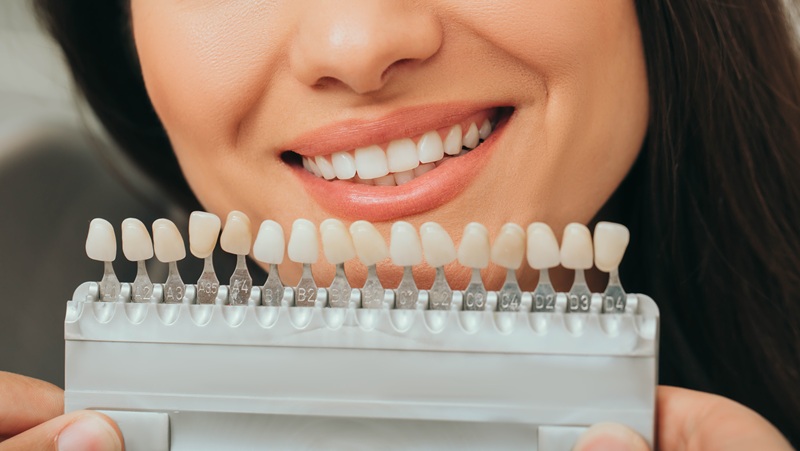
Dental veneers are one of the most popular cosmetic treatments available, and it’s easy to see why. They can transform the appearance of your smile by improving the shape, colour, and symmetry of your teeth.
But like any dental treatment, veneers are not a one-size-fits-all solution to chipped and damaged teeth, and understanding their limitations is just as important as knowing their benefits.
If you’re exploring everything to know about veneers before making a decision, this guide covers the key dental veneer considerations to keep in mind. Being well-informed helps you set realistic expectations and work with your dentist to find the approach that’s truly right for your smile.
Veneers Are Not Reversible
One of the most important things to know before getting veneers, especially porcelain veneers, is that the process typically involves removing a thin layer of enamel from the front of your teeth. This is done to create space for the veneer to sit naturally and look seamless.
Because enamel does not grow back, this step is permanent. Once your teeth have been prepared for porcelain veneers, they will always need some form of covering or restoration moving forward. This is a significant dental veneer consideration, and that is why a thorough consultation is so important before committing to treatment.
Composite veneers, on the other hand, are generally less invasive and may require little to no enamel removal. However, they come with their own trade-offs, which we will cover below.
Porcelain vs. Composite: Different Strengths and Limitations
When weighing up the porcelain veneers’ pros and cons against composite options, it helps to understand how each type performs over time.
Porcelain veneers are known for their durability, stain resistance, and natural-looking translucency. They tend to last longer, often well beyond a decade with proper care. However, they are more costly upfront and require more preparation of the natural tooth.
Composite veneers are more affordable and may often be placed in a single appointment. They are a good option for minor cosmetic changes, but composite veneers’ limitations include being more prone to staining, chipping, and wear over time. They generally need to be replaced or maintained more frequently than their porcelain counterparts.
Neither option is inherently better because the most appropriate veneer type depends on your goals, your budget, and the current condition of your teeth. If you would like to understand what veneers are and how they work in more detail, we’ve covered the basics in a separate guide.
What Veneers Cannot Fix
While veneers are incredibly versatile, there are certain dental issues they are not designed to address. Understanding what veneers cannot fix helps ensure you’re choosing the right treatment for your situation.
Veneers are mostly considered a cosmetic solution. Their purpose is to improve the appearance of your teeth, but don’t correct underlying structural or alignment problems. For example, if you have significant crowding, bite issues, or gaps caused by jaw misalignment, an orthodontic treatment like Invisalign or dental braces may be a more appropriate starting point.
In some cases, patients choose to straighten their teeth first and then explore veneers for any remaining cosmetic refinements.
Veneers also are not suitable for teeth that are severely decayed, weakened, or heavily filled. In those situations, a crown or other restorative option may provide better long-term support.
Your dentist will assess this during a veneer suitability assessment to make sure the recommended treatment matches what your teeth actually need.
They Require Ongoing Care
Another consideration is that veneers, while durable, are not indestructible. They can chip or crack if exposed to excessive force, such as biting into very hard foods, grinding your teeth, or using your teeth as tools. Patients who clench or grind at night may be advised to wear a protective night guard to extend the life of their veneers.
Maintaining good oral hygiene is also essential. While the veneer itself will noy decay, the natural tooth underneath still can. Regular brushing, flossing, and dental check-ups are non-negotiable if you want your veneers to stay looking and feeling their best for years to come.
For a detailed look at daily care, our veneer maintenance guide covers everything you need to know.
Are Veneers Right for Everyone?
In short, no. And that’s perfectly okay. Veneers are a wonderful option for many people, but they are not the answer to every cosmetic concern. A proper veneer suitability assessment takes into account factors like the health of your natural teeth, your bite, your oral hygiene habits, and your overall goals.
There are also veneer risks and considerations worth discussing with your dentist, including tooth sensitivity after preparation, the potential need for replacement down the track, and the importance of choosing a skilled practitioner who can deliver a natural-looking result.
This is why consultation matters so much. At Greenslopes Dental Studio, we take the time to understand what you’re hoping to achieve and provide honest guidance on whether veneers, or perhaps an alternative, are the most suitable path forward.
If veneers are not the right fit, we will walk you through alternatives to dental veneers that may better serve your needs, whether that’s teeth whitening, orthodontic treatment, or bonding.
Making an Informed Decision with Veneers
Veneers can be life-changing for the right candidate, but they are a commitment that no one should rush into. By understanding the disadvantages of dental veneers alongside the benefits, you’re already taking a thoughtful approach to your smile journey.
If you’re weighing up your options and want a clear, no-pressure conversation about custom veneers and what is realistic for your teeth, our team at Greenslopes Dental Studio is here to give guidance and information. Our team is happy to educate and give you a better picture of your teeth to help you make a more informed decision.
Start by booking a consultation to know better.
Frequently Asked Questions
Are veneers permanent?
Porcelain veneers involve permanent changes to your natural tooth structure, as a layer of enamel is removed during preparation. While the veneers themselves may need replacing over time, the underlying tooth will always require some form of restoration.
Can veneers fix crooked teeth?
Veneers help improve the appearance of mildly uneven teeth, but they are not designed to correct significant alignment or bite issues. In those cases, orthodontic treatment may be recommended first.
How long do veneers last?
Porcelain veneers can last well beyond a decade with proper care, while composite veneers typically have a shorter lifespan and may need touch-ups or replacement sooner.
Do veneers stain like natural teeth?
Porcelain veneers are highly resistant to staining. Composite veneers, however, can discolour over time, particularly with regular exposure to coffee, tea, or red wine.
What happens if a veneer chips or breaks?
If a veneer is damaged, contact your dentist as soon as possible. Depending on the extent of the damage, it may be repairable or may need to be replaced entirely.

