

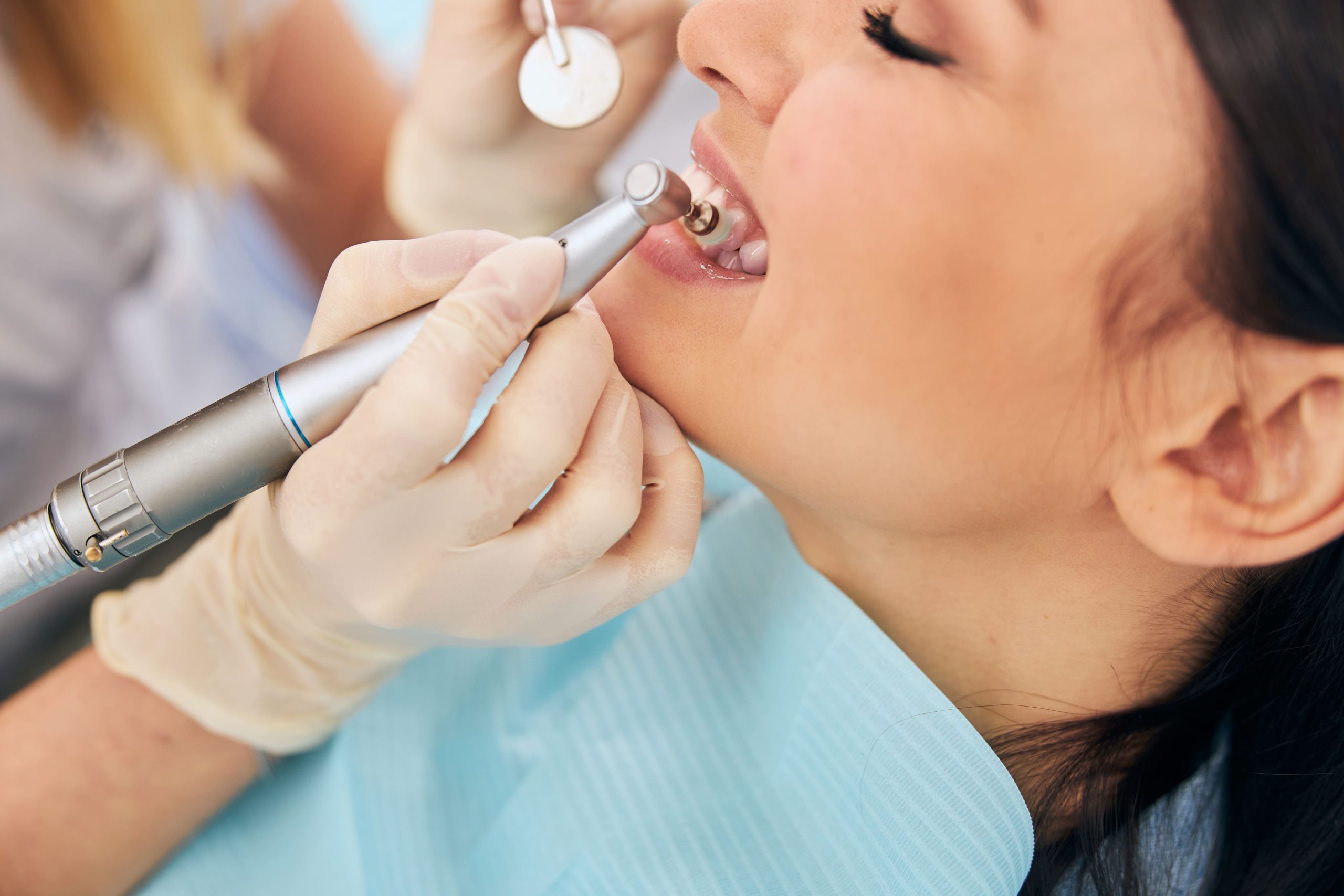
If you’ve had a routine dental visit, you’ve probably had a scale and clean. But you might not know exactly what it involves. It’s one of the most common dental cleaning appointments, and also one of the most misunderstood. Many patients aren’t quite sure what’s actually happening, or why their dentist keeps recommending one every six months.
Has your dentist ever recommended a scale and clean every six months?
Here’s a clear breakdown of what a scale and clean is and what happens during the appointment. We’ll also explain why this simple routine plays such a big role in long-term oral health.
What Is a Scale and Clean at the Dentist?
A scale and clean is a professional dental cleaning that removes plaque and tartar buildup from your teeth. The kind that a toothbrush and floss can’t fully manage at home.
It’s typically performed by a dental hygienist cleaning your teeth using specialised tools designed to reach areas that ordinary brushing misses.
The process usually involves two parts:
- Scaling — using an ultrasonic scaler dental tool (or hand instruments) to remove tartar buildup on teeth, particularly along the gumline and between teeth
- Polishing — smoothing the tooth surface afterward, which helps reduce future plaque accumulation and leaves teeth feeling noticeably cleaner
This combination is sometimes referred to as oral prophylaxis, which is simply the clinical term for preventive dental cleaning.
Why Every 6 Months?
This is one of the questions many of our dentists ask us whenever we do recommend it. And here’s why.
Plaque forms constantly, and if it isn’t removed, it hardens into tartar within a matter of days. Once tartar has formed, brushing alone can’t remove it. Only a professional scale and clean dentist visit can do it.
This is why dentists recommend cleaning every 6 months as a general guideline: it’s frequent enough to intercept tartar buildup before it leads to bigger issues, without being excessive for most patients.
Regular cleanings support:
- Gingivitis prevention — catching and reversing early gum inflammation before it progresses
- Periodontal disease early signs — allowing your dentist to spot gum recession, bleeding, or bone loss risk factors early
- Fresher breath — removing the bacteria that contribute to persistent bad breath
- A brighter smile — polishing removes surface staining that brushing alone can’t shift
Some patients may need cleanings more or less frequently depending on their individual oral health, which your dentist will tailor based on your history.
What Happens During the Appointment
A typical dental scale and clean appointment starts with an examination of your teeth and gums, sometimes alongside dental X-rays if it’s been a while or your dentist wants a closer look at areas not visible to the naked eye.
Our guide on why dentists take X-rays during check-ups explains how this fits into a thorough check-up.
From there, the hygienist or dentist scales away plaque and tartar, polishes the teeth, and often finishes with a fluoride treatment to strengthen enamel. Most appointments take around 30 to 45 minutes and are far less involved than many people expect.
Is It Normal to Have Sensitive Teeth After Dental Cleaning?
Yes, mild sensitivity is a common and temporary response.
Sensitive teeth after dental cleaning usually happens because the surface has been thoroughly cleaned of plaque and tartar, sometimes exposing areas that were previously covered.
This typically settles within a day or two, and using a sensitivity toothpaste can help in the meantime. If sensitivity lingers well beyond that, it’s worth mentioning to your dentist.
What Does a Scale and Clean Cost?
Scale and clean cost varies depending on factors like whether X-rays are included, the complexity of your case, and how much buildup needs to be addressed. Patients often ask how much does a dental cleaning cost upfront, but the honest answer is that it’s best confirmed during a consultation, since needs differ from person to person.
Many private health funds also include preventive cleaning under general dental cover, so it’s worth checking your policy, as this can reduce out-of-pocket costs significantly.
What Happens If You Skip It?
Skipping regular cleanings doesn’t cause immediate problems, but tartar buildup accumulates over time, increasing the risk of gum disease and cavities that could otherwise be prevented.
Our blog on why skipping a dental checkup is a bad idea goes into more detail on what tends to happen when routine visits are delayed.
A Simple Habit With a Big Payoff
A scale and clean might be one of the simplest dental appointments you’ll have, but it plays an outsized role in keeping your teeth and gums healthy long term. Removing plaque and tartar before they cause problems is far easier and generally more comfortable than treating the issues that come from skipping it.
If it’s been a while since your last dental cleaning, our general dentistry team at Greenslopes Dental Studio is here to help you get back on track.
Book an appointment with us today, or give us a call on 07 3733 3555 to find a time that suits you.
Frequently Asked Questions
Does a scale and clean hurt?
Most patients find it comfortable, with at most mild sensitivity during or after the appointment. If you experience discomfort, let your hygienist know so they can adjust their approach.
How often do I actually need a scale and clean?
Every six months is the general recommendation for most patients, though some people may benefit from more frequent visits depending on their gum health and individual risk factors.
A consultation with your dentist can guide you better on how often you should visit them for a checkup.
Can I do a deep clean at home?
Home brushing and flossing help manage plaque day to day, but they can’t remove hardened tartar. A dental deep cleaning requires professional tools and expertise to do safely and thoroughly.
Will my health fund cover a scale and clean?
Many private health funds include preventive cleanings under general or extras cover, though the specifics vary by provider and policy level. It’s worth checking directly with your fund.

