

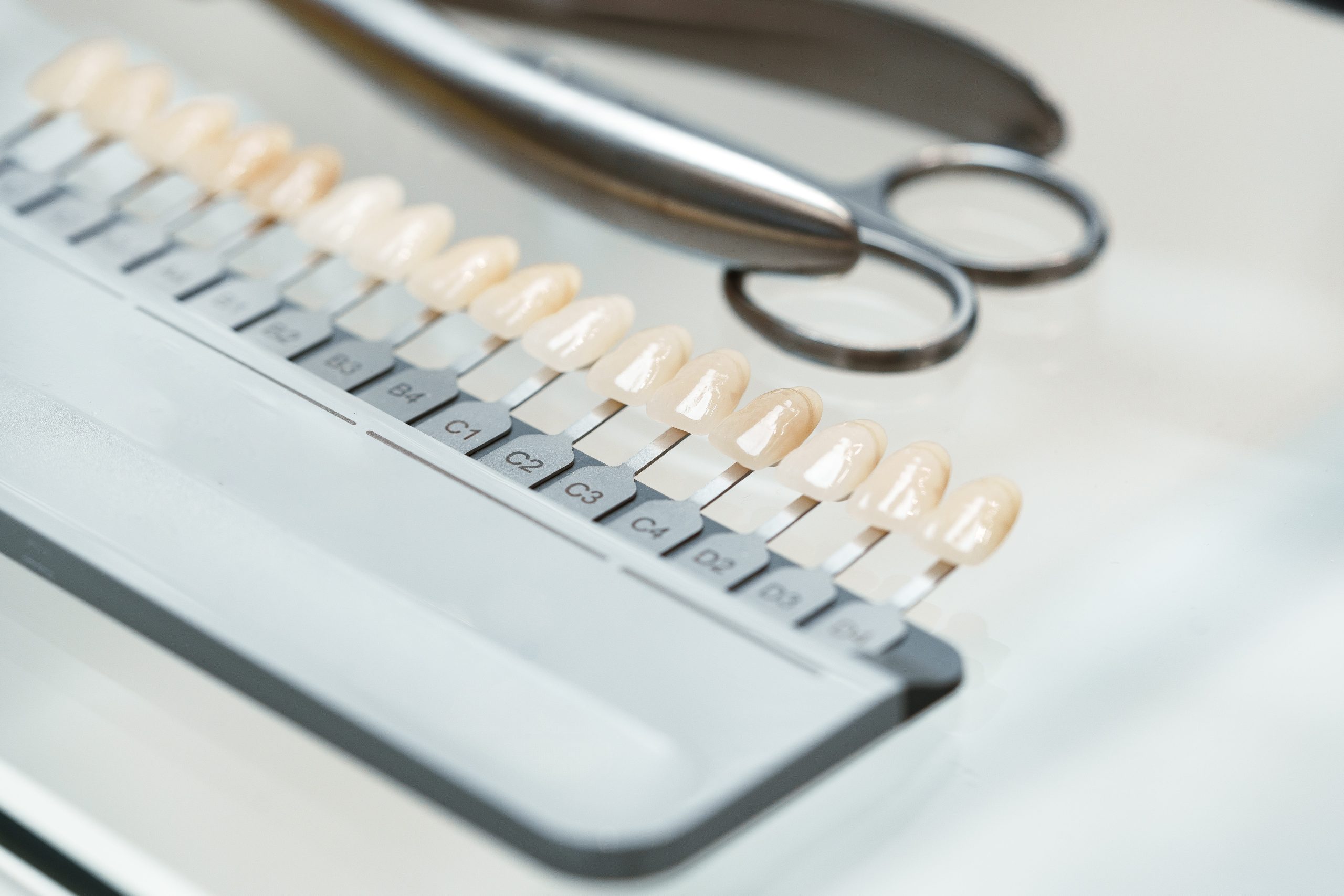
A damaged front tooth may be hard to ignore for some people. You see it in the mirror, in photos and every time you smile. If you’re already considering getting restorative dental options and weighing up veneers vs crowns, it helps to know how each one works first.
This guide explains what veneers and crowns are, when a dentist may suggest each, and what to ask. Crowns vs veneers is a question our team at Greenslopes Dental Studio hears often.
What Is a Veneer?
A veneer is a thin shell of porcelain or composite resin. Your dentist fixes it to the front of a tooth. Healthdirect explains that veneers help improve how teeth look. They can be useful for a tooth that is chipped or slightly broken.
Because a veneer is thin, not much natural tooth needs to be removed. Porcelain veneers are made in a dental laboratory, while composite veneers are shaped by your dentist in the chair. At our studio, a temporary try-in lets you preview the shape, size and shade first. Then your final porcelain veneers are made.
What Is a Crown?
A crown is a cap that covers the visible part of the tooth. First, your dentist reshapes the tooth to make room for it. Then the crown is fitted over the top and fixed in place with dental cement or adhesive.
Healthdirect says crowns can be made from porcelain, zirconia, gold alloy, or a mix of porcelain and metal. For a front tooth crown, porcelain and zirconia can be colour-matched to your other teeth, says the Australian Dental Association. A dentist may suggest a crown for a badly broken or cracked tooth, or after root canal treatment.
Veneers vs Crowns: How They Differ
The two treatments work in different ways. This quick crown vs veneer comparison covers the main points:
- Coverage: A veneer covers the front of the tooth. A crown covers the whole visible part.
- Tooth shaping: A veneer is thin, so less natural tooth is usually removed. A crown needs the tooth reshaped all the way around.
- Purpose: A veneer helps improve appearance. A crown can also protect and strengthen a weakened tooth.
- Materials: Veneers can be porcelain or composite resin. Crowns can be porcelain, zirconia, gold alloy, or a porcelain and metal mix.
Neither option suits everyone. The right choice still depends on your situation, and only an assessment with your dentist can confirm it.
Which Might Suit a Damaged Front Tooth?
With front teeth crowns vs veneers, the amount of damage usually guides the conversation. Your dentist will examine the tooth and may take an X-ray, because not all damage is visible. Here are some common situations:
- A small chipped front tooth: Your dentist may talk about repairing a small section with resin, or about a veneer.
- A cracked front tooth or larger break: If the tooth is cracked or broken, you may need a crown fitted.
- Damage inside the tooth: If the soft centre of the tooth is injured, root canal treatment may be needed.
Every tooth is different, so your dentist will explain which options may suit yours.
Related: Chipped Tooth: What to Do Straight Away and Repair Options
What Else Should You Consider?
Choosing a veneer vs crown is a big decision, so it helps to look beyond the damage itself. These points are worth raising at your visit:
- Grinding and gum health: Veneers may not suit people who grind or clench their teeth, or who have gum disease.
- Changes that stay: A veneer can’t be taken off once it’s fixed, and its colour can’t be changed later.
- Matching over time: Your other teeth could become discoloured and no longer match a veneer.
- Care at home: A crown can’t decay, but the tooth underneath still can.
- Replacement: Crowns and veneers can chip, crack or stop matching, so they may need replacing.
Your dentist will go through the risks and alternatives with you before you decide.
Questions to Ask Your Dentist
A short list can make your visit feel calmer and clearer. You might like to ask:
- How much of my tooth is damaged, and is the inside affected?
- Which options suit my tooth, including simpler repairs?
- How much of my natural tooth will be reshaped?
- What material do you suggest, and how will it match my other teeth?
- What are the risks, and how should I look after the result?
- What will it cost, and what payment options are there?
Our team is happy to answer each one in plain language, and you can take your time.
Finding the Right Fit for Your Smile
Choosing between veneers vs crowns doesn’t have to feel rushed. A dental crown vs veneer question rarely has one answer, because every tooth and every smile is different. A relaxed chat with your dentist is the next step.
If a front tooth is chipped or cracked, our team at Greenslopes Dental Studio can talk through your options. You’ll find a relaxed, family-room setting at our studio, with TV screens streaming your favourite shows.
You can learn more about our veneers and dental crowns and bridges. Then book an appointment online or call us on 07 3733 3555. Ask our team about payment plans and health fund rebates when you book.
Frequently Asked Questions
Can a Dentist Fix a Cracked Front Tooth?
A dentist can explain your options for a cracked front tooth. The right one depends on how deep the crack goes. You can’t always see all the damage, so your dentist may take an X-ray.
If the inside of the tooth is injured, root canal treatment may be needed. It’s worth seeing a dentist soon, even if the tooth feels fine.
What Should I Do If I Chip a Front Tooth Before My Appointment?
Healthdirect advises keeping any broken piece in milk or a sterile saline solution. Bring it with you. If your gum is bleeding, press on it gently with a clean towel. A cold compress on your cheek can help with swelling, and soft foods are easier to eat.
Call our team on 07 3733 3555. Head to an emergency department if you have heavy bleeding or trouble breathing.
How Many Visits Do Veneers and Crowns Take?
Crown treatment often takes two appointments. At first, your dentist reshapes the tooth and takes a scan or impression. At the second, the final crown is fixed in place.
Some dentists offer same-day crowns. Porcelain veneers usually need at least two appointments, while composite veneers are often finished in one. Our team can explain which treatment applies better to your tooth.
Will a Veneer or Crown Match My Other Teeth?
Your dentist works with a dental technician to match a crown’s colour to the teeth around it. A veneer’s colour can’t be changed once it’s fixed, and nearby teeth could change colour over time. At our studio, veneers include a temporary try-in, so you can preview the shade first. Tell us if colour is a big concern for you.
Can Veneers or Crowns Make Teeth Feel Sensitive?
Some people notice discomfort or extra sensitivity afterwards. Sensitivity is a possible risk with veneers because some enamel is removed. On the other hand, a crown that doesn’t fit well can also make chewing tricky.
Your dentist may use a local anaesthetic to help minimise discomfort during treatment. If dental visits make you anxious, tell our team, and we’ll talk through ways to help you feel at ease.
How Do I Look After Veneers and Crowns?
Brush twice a day with fluoride toothpaste, and clean between your teeth every day. Your tooth can still decay under a crown, so healthy gums and regular check-ups matter.
Tell your dentist if you grind your teeth, as this can affect your choices. Crowns and veneers can sometimes chip or crack, so let us know if something feels different.
What Affects the Crown vs Veneer Cost?
Your fee depends on the condition of the tooth, the number of teeth, the materials and the time involved. Many health funds provide a rebate for some items, depending on your cover.
We can give you item numbers to check with your fund. We also offer payment plans with terms up to 48 months, subject to the provider’s eligibility, approval and terms.
Disclaimer: This article is general information only and isn’t a substitute for professional dental advice.
Important warning: Any surgical or invasive procedure carries risks. Before proceeding, you should seek a second opinion from an appropriately qualified health practitioner.


