

Losing a single tooth may not seem urgent at first. If the gap is not visible when you smile, it can be tempting to delay treatment.
Over time, however, even one missing tooth can affect how you chew, how your bite functions, and how stable your surrounding teeth remain. When considering tooth replacement options, many patients compare a single tooth implant in Brisbane with a traditional dental bridge. Both treatments restore appearance and function, but they differ in structure, longevity, and impact on long term oral health. Understanding these differences can help you make a confident and informed decision.
What Is a Single Tooth Implant
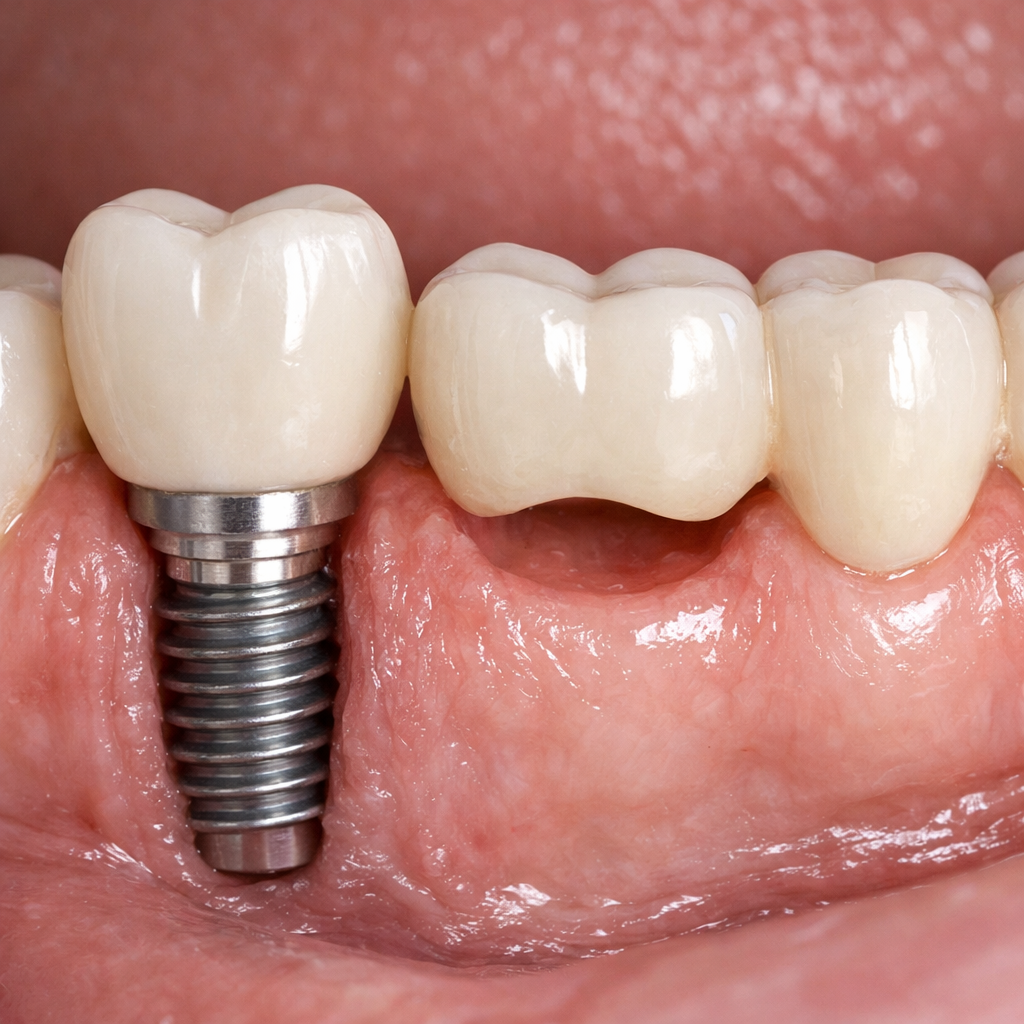
A single tooth implant is designed to replace both the root and the visible portion of a missing tooth. The treatment involves placing a small titanium post into the jawbone in the area where the tooth once sat. Over time, the bone integrates with the implant through a biological process known as osseointegration. This creates a stable foundation that mimics the function of a natural tooth root.
Once healing has occurred, a custom made dental crown is attached to the implant. The final result is a tooth replacement that looks natural and functions independently from neighbouring teeth. Because the implant replaces the root, it plays an important role beneath the gumline as well as above it.
What Is a Dental Bridge
A dental bridge replaces a missing tooth by anchoring a false tooth to the adjacent teeth. The teeth on either side of the gap are carefully reshaped so that crowns can be fitted over them. The artificial tooth is connected between these crowns, forming a fixed unit that bridges the space.
A bridge restores chewing function and improves appearance without the need for surgical placement in the jawbone. For some patients, this can make it an appealing option, especially when neighbouring teeth already require crowns. However, it is important to consider how this design affects the surrounding teeth and bone over time.
Preservation of Adjacent Teeth
One of the most significant differences in the dental bridge vs implant discussion is how each option impacts the neighbouring teeth.
To place a dental bridge, the adjacent teeth must be permanently altered. Even if they are completely healthy and free of decay, enamel must be removed to create space for the crowns. This reshaping is irreversible. While crowns can protect these teeth, the removal of natural tooth structure may increase their vulnerability in the long term.
Because the bridge relies on these supporting teeth for stability, they also absorb additional chewing forces. Over time, this increased load may contribute to wear or complications, particularly if oral hygiene is not maintained carefully. If one of the supporting teeth develops decay or gum disease, the entire bridge may be affected.
A single tooth implant takes a different approach. It does not depend on adjacent teeth for support. The implant stands independently within the jawbone, leaving neighbouring teeth untouched. This preservation of natural tooth structure is often considered a major advantage. Keeping healthy teeth intact supports long term oral stability and reduces the risk of future treatment on those teeth. For patients exploring a single tooth implant, the ability to avoid altering healthy adjacent teeth is often an important factor in their decision.
Longevity and Durability
Longevity is another key consideration when comparing a dental bridge vs implant.
Dental bridges are durable and can serve patients well for many years. With good oral hygiene and regular dental care, a bridge may last between 7 and 15 years. Its lifespan depends heavily on the condition of the supporting teeth and gums. If problems arise in one of the anchor teeth, the bridge may need repair or replacement.
A single tooth implant is generally regarded as a long term solution. The titanium implant post integrates with the bone and can remain stable for decades when properly maintained. The crown attached to the implant may eventually require replacement due to normal wear, but the underlying implant often remains secure.
Because implants function independently and do not rely on adjacent teeth, they are less affected by changes elsewhere in the mouth. This separation can contribute to their durability. While no dental treatment can be guaranteed for life, implants are widely recognised for their long term performance when supported by good oral hygiene and regular professional care.
Structural Benefits for Jawbone Health
Replacing a missing tooth is not only about restoring appearance. It is also about protecting the underlying bone. When a tooth is lost, the jawbone in that area no longer receives stimulation from chewing forces. This stimulation normally travels through the tooth root into the bone. Without it, the bone can gradually shrink in a process known as resorption. Over time, this bone loss can affect facial contours and lead to shifting of surrounding teeth.
A dental bridge restores the visible portion of the tooth above the gumline, but it does not replace the root. As a result, the jawbone beneath the missing tooth may continue to resorb. While the bridge fills the gap cosmetically, it does not actively stimulate the bone in that area.
A single tooth implant replaces the root as well as the crown. The titanium post integrates with the jawbone and transmits chewing forces into the bone, similar to a natural tooth. This stimulation helps maintain bone density and structure. Preserving bone is important not only for appearance but also for the long term stability of surrounding teeth.
For many patients, this structural benefit is a defining difference when weighing up a single tooth implant against a traditional bridge.
Treatment Time and Process
Treatment timelines can also influence decision making. A dental bridge can often be completed within a few appointments over several weeks. After preparing the adjacent teeth, impressions are taken and a custom bridge is fabricated. Once fitted, the bridge is cemented into place.
A single tooth implant involves several stages. After the implant is placed, a healing period is required to allow the bone to integrate with the titanium post. This process may take several months. Once integration is complete, the final crown is attached. Although the overall timeline is longer, many patients value the long term benefits that implants provide.
Suitability for implant treatment depends on bone quality, gum health, and general health factors. A thorough assessment and imaging are necessary before planning treatment.
Oral Hygiene and Maintenance
Both bridges and implants require consistent oral hygiene to remain healthy. Cleaning under a bridge requires special attention. Because the artificial tooth is connected to crowns on either side, flossing techniques may need to be modified. Special floss threaders or interdental brushes are often recommended to prevent plaque build up beneath the bridge.
An implant crown can be brushed and flossed in a similar way to a natural tooth. Maintaining healthy gum tissue around the implant is essential. Regular professional cleans and examinations help monitor the health of the surrounding tissues. Regardless of which option is chosen, long term success depends on daily care and routine dental visits.
Which Option May Be Right for You
Choosing between a dental bridge vs implant is a personal decision that should be based on clinical assessment and individual priorities.
A bridge may be appropriate if adjacent teeth already require crowns or if a patient prefers to avoid surgical procedures. An implant may be recommended when preserving adjacent teeth and maintaining jawbone health are key considerations.
Age alone does not determine suitability. Bone quality, gum condition, bite forces, and overall health all play important roles in treatment planning. A comprehensive consultation allows your dentist to evaluate these factors and discuss options clearly.
Making an Informed Choice in Brisbane
When comparing a single tooth implant in Brisbane with a dental bridge, it is helpful to look beyond immediate convenience. Consider how each option affects neighbouring teeth, long term durability, and jawbone health.
A dental bridge can restore function efficiently and may be suitable in specific situations. A single tooth implant preserves natural tooth structure, supports bone health, and offers long term stability. Both options aim to restore comfort and confidence.
An informed discussion with GDS will help determine which solution aligns best with your oral health needs and long term goals.

