

While often not talked about the way we talk about actively taking care of other parts of our body, our teeth play an important part in our everyday life. In fact, most of our basic functions such as eating, drinking, and talking requires teeth to be able to be done without any discomfort.
Now, while our teeth are generally strong with bone-like integrity, they can still be damaged or lost over time. Whether from decay, injury or wear, these changes can affect both the way your smile looks and how your teeth work. That is where dental crowns and bridges can help.
Crown and bridge dental treatment is one of the most common ways to restore function, protect weakened teeth, and replace missing ones. If you are wondering how these treatments work, what they are made of, and what to expect, this guide will walk you through the essentials.
Ready to dive in?
What Are Dental Crowns and Bridges?
Before looking at their benefits, it helps to understand what dental crowns and bridges actually are.
Dental Crowns
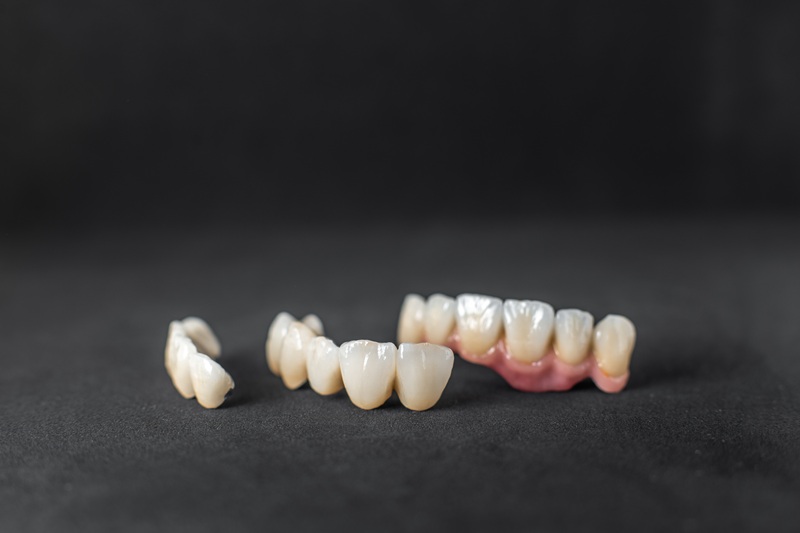
A crown is a tooth-shaped cap placed over a damaged or weakened tooth. It covers the entire visible surface, restoring its strength, shape and appearance. Crowns are often recommended when a filling is not enough to protect the tooth.
Crowns can be made from porcelain, ceramic, metal or a combination of materials. They are designed to blend in with your natural teeth while providing long-lasting support.
Dental Bridges
A bridge is used to replace one or more missing teeth. It works by anchoring an artificial tooth, known as a pontic, between two crowns on either side. These crowns are placed on the natural teeth or implants next to the gap, holding the bridge securely in place.
Together, dental crowns and bridges can restore your smile, improve chewing, and prevent surrounding teeth from shifting out of place.
When Do You Need Crown and Bridge Dental Treatment?
Not every tooth problem requires a crown or bridge, but they are often recommended in the following cases:
- A tooth that is badly decayed or weakened and cannot be restored with a filling
- A cracked or broken tooth that needs protection
- After a root canal treatment, when the tooth structure becomes more fragile
- To replace one or more missing teeth and restore your bite
- To improve the appearance of teeth that are misshapen or severely discoloured
If you are unsure whether you need dental crowns and bridges, your dentist will examine your teeth and explain the best treatment option for your situation.
Benefits of Dental Crowns and Bridges
Dental crowns and bridges offer several benefits that can support both function and appearance.
Protection and Strength
Crowns act like a shield, protecting weakened teeth from further damage. This helps extend the life of the natural tooth underneath.
Restored Chewing and Speaking
Missing or damaged teeth can make it hard to chew properly or pronounce certain words. A bridge fills the gap so you can eat and speak more comfortably.
Improved Appearance
Crowns and bridges are designed to match the colour and shape of your natural teeth. This can help restore a natural-looking smile.
Preventing Teeth from Shifting
When a tooth is missing, nearby teeth can start to move into the gap. A dental bridge prevents this, helping keep your bite aligned.
What to Expect During Dental Crowns and Bridge Procedure
Every crown and bridge dental treatment involves a few important steps.
- First Visit: Your dentist will examine your teeth, take X-rays if needed, and prepare the area. For crowns, this may include shaping the tooth so the crown fits properly. For bridges, the supporting teeth on either side of the gap will be prepared.
- Impressions and Temporary Restorations: An impression of your teeth is taken to create a custom crown or bridge. A temporary crown or bridge may be placed to protect your teeth while the final restoration is being made.
- Final Placement: Once the permanent crown or bridge is ready, it is checked for fit, colour and comfort before being cemented into place. Your dentist will explain how to look after your new restoration to help it last longer.
Caring for Dental Crowns and Bridges
With proper care, dental crowns and bridges can last for many years. Here are some tips on how to look after them:
- Brush twice daily with fluoride toothpaste
- Floss carefully around the crown or bridge to remove plaque
- Use special floss or interdental brushes to clean under the bridge
- Avoid biting hard objects that could damage the restoration
- Visit your dentist regularly for check-ups and professional cleaning
Good oral hygiene and preventive care help your crown or bridge stay strong and look its best.
Need Help Addressing Your Oral Concerns?
Dental crowns and bridges play an important role in protecting damaged teeth and replacing missing ones. From restoring strength and appearance to improving chewing and preventing shifting, crown and bridge dental treatment offers a reliable way to support your oral health.
If you are considering dental crowns and bridge service, the team at Greenslopes Dental Studio can answer your questions, explain your options, and help you decide if this treatment is right for you.
Book an appointment today and learn how dental crowns and bridges can support your smile and oral health.

