

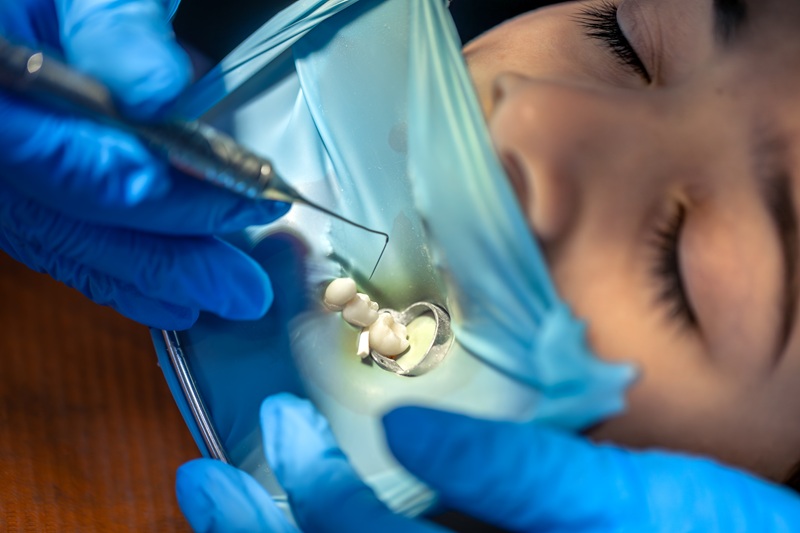
Wisdom teeth are the last set of molars to appear, usually coming through between the ages of 17 and 25. For some people, they fit in their jaws and teeth without any issues. For others, wisdom teeth can cause pain, infection, or crowding in the mouth, which results in various dental problems.
So, how do you know when wisdom teeth need to be checked by a dentist? In this guide, we will help you identify the common signs of wisdom teeth problems, what they could mean, and why getting them looked at early is important.
Why Do Wisdom Teeth Cause Problems?
Wisdom teeth are the last molars to appear, and by the time they come through, most people’s jaws are already fully developed. This often means there isn’t enough room for them to grow properly. As a result, wisdom teeth can:
- Grow at an angle – Instead of coming up straight, they may tilt toward the tooth in front, the back of the mouth, or even sideways.
- Partly erupt – Sometimes only part of the tooth breaks through the gum, leaving the rest covered. This small flap of gum can easily trap food and bacteria, which may cause problems later on.
- Stay trapped under the gum or bone – This is known as impaction, and it can place pressure on other teeth or cause cysts to form.
When this happens, wisdom teeth can irritate the gums, push against nearby teeth, or become a spot where infection develops. Some people also notice crowding, jaw stiffness, or difficulty keeping the area clean because wisdom teeth grow so far back in the mouth.
This is why recognising the early warning signs of wisdom teeth problems is so important to prevent pain, infection, and damage to neighbouring teeth.
Common Signs of Wisdom Teeth Problems
1. Persistent Jaw or Gum Pain
One of the earliest signs of wisdom teeth issues is pain at the back of your mouth. This discomfort may come and go at first, but can become constant over time. The pain may be caused by pressure from the wisdom teeth pushing against nearby teeth or from infection if the tooth is partly covered by gum tissue.
2. Swollen or Bleeding Gums
When wisdom teeth are breaking through, the gum tissue around them may become swollen, red, or tender. You may also notice bleeding when brushing or flossing over them. These can be telltale signs of irritation or infection.
3. Bad Breath or an Unpleasant Taste
If food and bacteria get trapped around a partly erupted wisdom tooth, it can lead to bad breath or a bad taste in your mouth. If you experience this, it could be an early sign of a wisdom teeth infection.
4. Difficulty Opening Your Mouth
Sometimes, the swelling from wisdom teeth can be more severe that it makes it even harder to open your mouth fully. When this happens, it could be a sign that inflammation is spreading and should be checked by a dentist immediately.
5. Headaches or Ear Pain
Because wisdom teeth sit at the back of your jaw, problems with them can cause pain that spreads to your head or ears. If you have ongoing headaches or ear pain with no clear cause, wisdom teeth might be the reason.
Warning Signs of Wisdom Teeth Infection
In some cases, wisdom teeth problems can lead to infection. Signs of wisdom teeth infection include:
- Severe pain in the back of the mouth or jaw
- Swelling of the gums, face, or jaw
- Pus coming from the gum around the tooth
- Fever or feeling generally unwell
- Difficulty swallowing or opening your mouth
If you experience any of these signs, it’s best not to ignore them and have a dentist check your mouth immediately to prevent any further complications.
How Are Wisdom Teeth Problems Treated?
Treatment will depend on your individual case and what your dentist finds during the check-up or on an X-ray. Some common approaches include:
- Monitoring – If your wisdom teeth are growing in straight, not pressing on nearby teeth, and your gums look healthy, your dentist may simply keep an eye on them during routine visits. Regular X-rays may be recommended to help track whether the teeth are moving or causing hidden issues beneath the surface.
- Cleaning and medication – When the gum around a wisdom tooth becomes sore or swollen, it might be a sign of a mild infection. In these cases, your dentist may give the area a professional cleaning to remove trapped food and bacteria. Sometimes a short course of antibiotics or an antibacterial mouth rinse is recommended to settle the infection and reduce discomfort.
- Removal – If wisdom teeth are impacted, crowding your other teeth, or causing repeated pain and infection, your dentist may recommend having them removed. Wisdom tooth extraction may sound daunting, but it’s one of the most common dental procedures. Depending on your case, it can be done with local anaesthesia in the chair, or you might be referred for surgical removal. Taking them out can prevent ongoing pain and protect your other teeth from damage.
Looking After Your Wisdom Teeth
Even if your wisdom teeth are not causing problems yet, it’s still important to care for them properly. Here are some tips:
- Brush carefully at the back of your mouth to remove food and bacteria
- Floss gently around the wisdom teeth if possible
- Rinse with warm salty water if gums feel sore
- See your dentist regularly for check-ups and X-rays
Good oral hygiene can help prevent infection and reduce discomfort while your wisdom teeth come through.
Don’t Ignore the Signs
Wisdom teeth don’t always cause problems, but when they do, the signs are often clear—pain, swelling, infection, or crowding. Recognising these early warning signs of wisdom teeth issues can help you avoid more serious dental problems down the track.
If you’ve noticed pain, swelling, or other changes around your wisdom teeth, don’t wait until it gets worse. When you’re in Greenslopes, QLD, partner with Greenslopes Dental Studio to assess your wisdom teeth concerns.
Book an appointment with our dentists today.

