

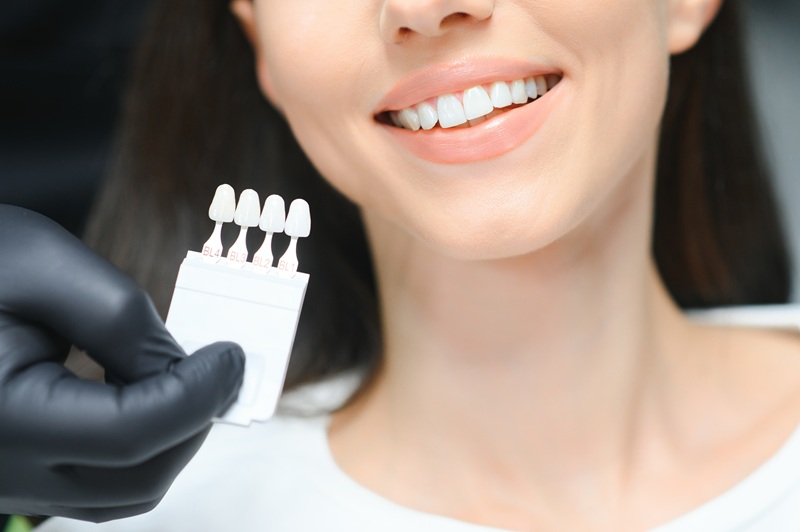
Dental veneers are one of the most talked-about cosmetic dental options today. One of the common reasons why they are what they are today is because of the aesthetic appeal it brings to the teeth. Veneers are thin shells placed on the front of teeth to improve their appearance, often used to cover chips, stains, gaps, or uneven shapes.
But with popularity comes myths, and many people have the wrong idea about what veneers can and cannot do.
If you’ve been thinking about getting veneers, it’s important to separate fact from fiction first before deciding on getting it for yourselves. This guide will clear up the most common misconceptions and explain the truth behind them.
Misconception 1: Veneers Look Fake
Many people believe veneers make teeth look unnaturally white or bulky. While this may have been true in the past, modern veneers are carefully designed to look natural.
Today’s materials, like porcelain or high-quality ceramics, are customised to match the shape, size, and colour of your existing teeth. A skilled and trained dentist will work with you to make sure your veneers blend seamlessly with your smile, not stand out.
The truth: The best dental veneers should look natural, polished, and in harmony with your other teeth.
Misconception 2: Veneers Are Only for Celebrities
It’s common to think veneers are a luxury that only actors or TV personalities can afford. This idea comes from the fact that many famous smiles have been enhanced with veneers.
But veneers are now widely available, and many everyday people choose them to fix chipped teeth, close gaps, or improve the appearance of their smiles. While they do involve quite an investment, veneers are not just for celebrities. They are for anyone who wants a long-lasting solution to cosmetic dental concerns.
The truth: Veneers are a practical option for many people, not just the rich and famous.
Misconception 3: Getting Veneers Is Painful
Some people avoid veneers because they fear the process will hurt. In reality, getting veneers is usually a straightforward procedure.
Your dentist may remove a thin layer of enamel (maybe about the thickness of a fingernail) to make space for the veneer. This step is done with care by your dentist, and local anaesthesia in case you feel uncomfortable. Most patients describe the experience as similar to getting a filling, where there’s a slight pressure, but not painful.
The truth: With proper care and professional guidance from a skilled and experienced dentist, the process of getting veneers is generally comfortable.
Misconception 4: Veneers Damage Your Natural Teeth
A common myth is that veneers permanently weaken or ruin your teeth. This is not entirely true. While a small amount of enamel is removed, the underlying tooth remains strong and protected by the veneer itself.
If veneers are properly fitted and cared for, they do not harm your natural teeth. In fact, they can provide an added layer of protection to chipped or worn-down areas.
The truth: Veneers do not damage healthy teeth when placed by an experienced dentist.
Misconception 5: Veneers Are Permanent and Never Need Replacing
Some people think veneers last forever once they are in place. Unfortunately, while veneers are durable, they are not permanent. On average, porcelain veneers last 10 to 15 years, depending on your oral care, lifestyle, and habits.
Over time, they may need replacement due to normal wear, accidental damage, or changes in the gums and surrounding teeth. The key to making veneers last as long as possible is good oral hygiene and regular dental visits.
The truth: Veneers are long-lasting, but not permanent. They may need replacement after several years.
Misconception 6: Veneers Stain Easily
Because veneers are thin shells, many assume they stain just like natural teeth. The reality is that high-quality porcelain veneers are resistant to stains. They don’t absorb pigments from coffee, tea, or wine in the same way natural enamel does.
That said, the surrounding teeth can still stain, which may cause slight colour differences over time. To keep your smile even, it’s best to maintain good oral hygiene and limit excessive staining habits.
The truth: Veneers resist staining, but the rest of your teeth still need care.
Misconception 7: Veneers Have Lots of Side Effects
Another worry is that veneers come with many risks. While all dental procedures carry some considerations, the side effects of veneers are generally mild.
Some patients may feel temporary tooth sensitivity to hot or cold foods after getting veneers, which may be true, especially when veneers have just been placed. However, this usually settles after a short time. In rare cases, if veneers are not properly fitted, they may cause irritation to the gums or feel uncomfortable, but this can be adjusted by your dentist. This is the reason why it’s important to work with a skilled and trained dentist for better results.
The truth: Side effects of veneers are usually mild and temporary when treatment is done correctly.
Misconception 8: Veneers Are the Same for Everyone
People sometimes think there is only one type of veneer and that everyone gets the same result. In reality, veneers come in different materials and are custom-made for each person. They’re designed to match your unique smile goals, tooth colour, and facial features.
Your dentist will help you choose the best dental veneers based on your needs, whether that’s a natural look or a brighter appearance. No two smiles are alike, and veneers are tailored to reflect that.
The truth: Veneers are highly personalised and not a “one-size-fits-all” solution.
Setting the Record Straight on Veneers
Veneers can be a great option for improving the look of your smile, but only if you understand the facts. Before you get one, make sure to get a consultation first with a trained dental professional.
If you’re considering veneers in Greenslopes, QLD, visit Greenslopes Dental Studio for professional and high-quality dental services.
Receive personalised and guided help by scheduling an appointment with our dentists.

