

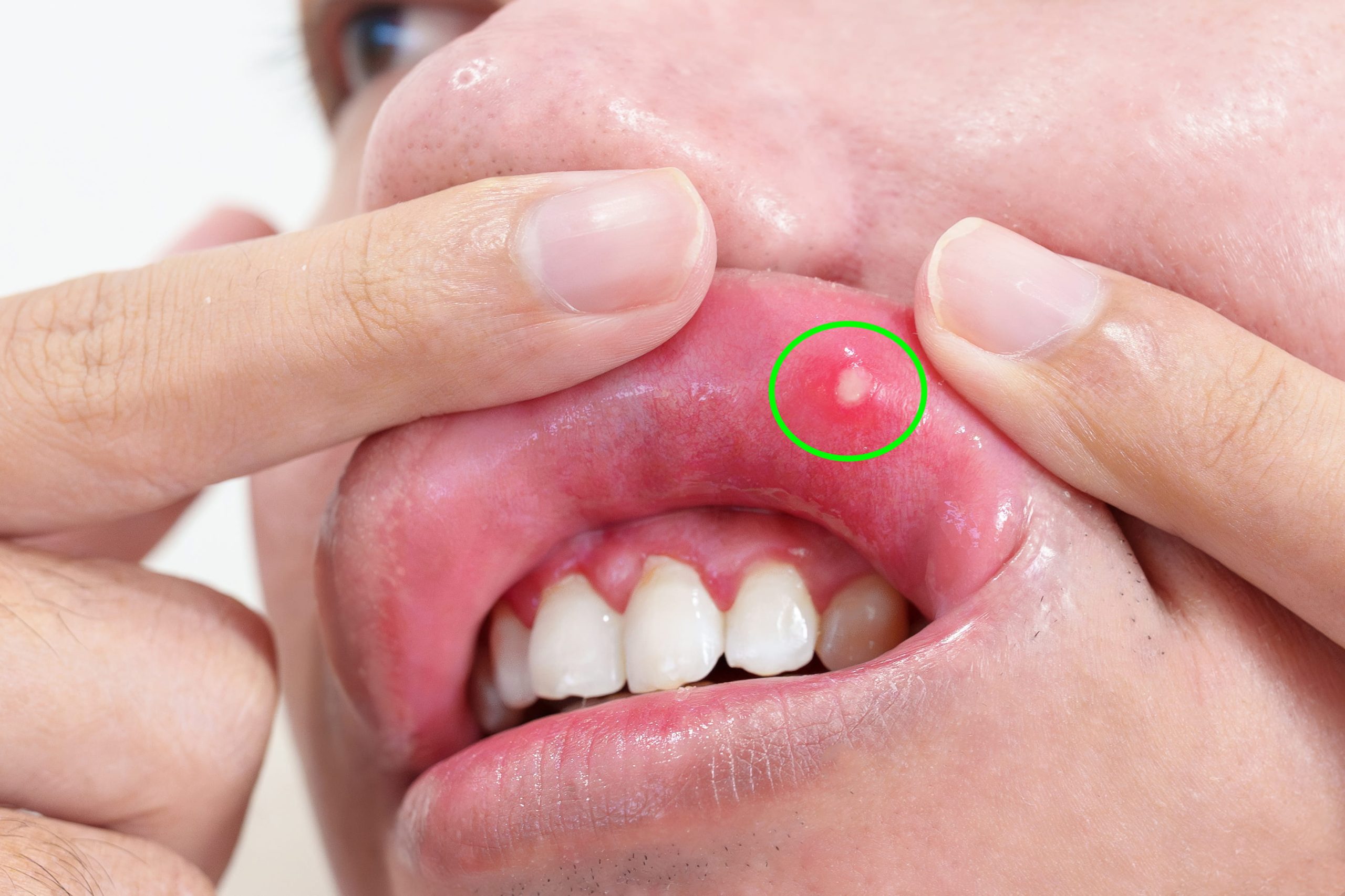
Mouth ulcers are common, and most heal on their own. That’s reassuring, but a sore spot still stings with every sip of tea. It’s also natural to wonder what caused yours and when to see your dentist.
This guide explains what a mouth ulcer is, what may cause it, and how to ease the discomfort. It also covers when it’s time to book a visit with our team at Greenslopes Dental Studio.
What Is a Mouth Ulcer?
A mouth ulcer is a shallow sore on the soft lining inside your mouth. It usually has a white or grey centre and a red rim. You might have a single sore or a small cluster.
These mouth sores often appear inside the lips or cheeks, on the tongue, or on the gums. They can feel tender when you talk, eat, drink or brush your teeth. You may also hear them called aphthous ulcers or canker sores.
The good news is that, in most cases, mouth ulcers aren’t dangerous and heal by themselves. Knowing what sets them off can still help you look after your oral health.
What Causes Mouth Ulcers?
Sometimes there’s a clear trigger, and sometimes there isn’t. Healthdirect says no one knows the exact cause of mouth ulcers. However, Healthdirect and the Better Health Channel listed some of the common ones, which include:
- A small injury, such as biting your cheek or slipping with your toothbrush
- A sharp or broken tooth that keeps rubbing
- Dentures or braces that rub
- A burn from very hot food or drink
- A strong mouthwash
- Stress, illness or tiredness
- A reaction to certain foods, medicines or toothpastes
Family history can play a part too. About 1 in 3 people who get mouth ulcers have relatives who get them, as well.
Because so many things can cause a mouth ulcer, it helps to notice where yours sits. If one keeps appearing beside the same tooth or the same edge of your dentures, tell your dentist. It’s a useful clue.
Mouth Ulcer Treatment: Ways to Ease the Sting at Home
For most people, mouth ulcer treatment is about comfort while your mouth heals. The Better Health Channel notes that you can’t speed up healing, but you can manage the symptoms. These gentle steps may help:
- Brush gently. Use a soft toothbrush and take care not to slip.
- Rinse with salt water. Stir one teaspoon of salt into a cup of water and swish it over the sore for two minutes. Spit it out afterwards, and repeat four times a day.
- Choose soft foods. Skip very hot, spicy, salty or sour foods until the sore heals.
- Sip cool water. If your mouth is very sore, a straw can help.
- Leave the sore alone. Touching it can slow healing, so wash your hands first if you need to touch it.
- Check your mouthwash. Healthdirect suggests avoiding mouthwashes that contain alcohol.
- Ask your pharmacist. They can explain what’s available for mouth sores and how to use each option safely.
These steps won’t suit everyone, so check with your dentist, doctor or pharmacist if you’re unsure.
When to See Your Dentist About a Mouth Ulcer
Most ulcers are harmless, yet a few signs mean it’s time for a check-up. Book a visit if:
- The ulcer hasn’t healed after two weeks
- Your ulcers keep coming back
- The sore makes eating, talking or brushing hard
- The ulcer is very sore
- Something in your mouth, such as a tooth, denture or aligner, seems to rub the same spot
If you or your child has severe ulcers and also feels generally unwell, see your GP. Unexplained fevers or stomach pain are two examples.
An ulcer that won’t heal may be a sign of something more serious, including mouth cancer. Most ulcers are harmless, but they don’t always feel sore, so how long one lasts is a helpful guide. Your dentist or GP can take a look and talk you through the next step.
Your regular check-up is also a good time to mention any sore spot that’s been hanging around.
Related: What Is a Scale and Clean? Why Dentists Say You Need One Every 6 Months
How Our Team Can Help
At Greenslopes Dental Studio, our caring team starts by listening. We’ll ask when the ulcer appeared, how long it’s been there, and whether anything seems to set it off.
Next, we’ll check your teeth, gums, dentures or aligners for anything that might be rubbing. If a rough edge is the culprit, we’ll talk through ways to sort it out.
Our welcoming studio feels like a family lounge, so a quick look at a sore spot may help you feel relaxed. Depending on what we find, we may suggest simple changes at home or a topical treatment. We may also suggest a chat with your GP.
Small Sore, Simple Next Steps
Most mouth ulcers heal on their own, and gentle care at home can keep you comfortable in the meantime. If a sore lasts beyond two weeks or keeps returning, a quick check-up is a sensible next step. Our team is here to help with that.
Our team at Greenslopes Dental Studio offers urgent dental care for patients in Annerley.
If a sore spot has you wondering, we’re happy to take a look. You can explore our general dentistry services first. Then book an appointment online or call us on 07 3733 3555.
Frequently Asked Questions
Are Mouth Ulcers Contagious?
Aphthous ulcers aren’t contagious, so you can’t catch one from another person. Some infections cause sores that look similar, and those can spread. Cold sores are one example, and we cover them below. If you’re unsure which you have, your dentist or GP can help.
How Long Do Mouth Ulcers Last?
Most mouth ulcers heal by themselves within one to two weeks. The Better Health Channel gives a usual range of 10 to 14 days. The common aphthous type can return at varying intervals, so a healed ulcer may not be the last one. If a sore is still there after two weeks, we’d suggest booking a check-up.
Why Do I Keep Getting Mouth Ulcers?
Around 1 in 5 people have mouth ulcers that keep returning, and often there’s no known cause. In a small number of people, repeat ulcers may be linked to low iron, folate or vitamin B levels. For this reason, your dentist or GP may suggest a blood test. If your ulcers keep coming back, mention it at your next visit.
Mouth Ulcer or Cold Sore: What’s the Difference?
Not usually the same thing. Cold sores are small blisters that form on the lips or nearby skin, while mouth ulcers sit inside the mouth. Cold sores come from the herpes simplex virus. It spreads through saliva or contact with a blister, so washing your hands after touching one helps. If you’re not sure which you have, we’re happy to take a look.
Can Children Get Mouth Ulcers?
Yes, children can get mouth ulcers too. See your GP if your child has severe mouth ulcers along with signs of general illness, such as unexplained fevers. Our team also offers children’s dentistry, so you can bring the whole family in for a check-up.
Will I Need Tests or Medicine for a Mouth Ulcer?
Not usually, since most ulcers heal without treatment. If one lingers or keeps returning, a dentist may suggest a medicated mouthwash or ointment. They may also suggest blood tests for low iron, folate or vitamin B. If the cause isn’t clear, a small tissue sample (a biopsy) may be taken for testing. We’ll explain what’s involved before anything goes ahead.
Can I Prevent Mouth Ulcers?
Sometimes. The Better Health Channel says a few habits can help avoid some ulcers. These include brushing gently with a soft toothbrush, eating a balanced diet and keeping any health conditions well controlled. If a food, medicine or toothpaste seems to set yours off, mention it to your dentist or GP. Many ulcers have no known cause, so not every one can be prevented.


