

You’ve invested in your smile, and now that your veneers are in place, the most important question becomes: how do you keep them looking good for as long as possible?
The good news is that caring for veneers does not require an elaborate routine. With the right daily habits, a little awareness around certain foods and activities, and regular visits to your dental team, your veneers can remain a source of confidence for many years to come.
This guide walks you through everything you need to know.
Understanding What Veneers Are Made Of
Before diving into veneer care and maintenance, it helps to understand what you’re working with, like the type of veneers available.
Porcelain veneers are ultra-thin shells of dental-grade ceramic that are bonded to the front surface of your natural teeth. Porcelain is highly durable and stain-resistant, but it is not indestructible. It still tends to chip or crack under significant force, just like a natural tooth.
Composite veneers, on the other hand, are made from a tooth-coloured resin material that is shaped and bonded directly onto the tooth. Composite veneer care is slightly different from porcelain aftercare in one key way: composite is more porous and more prone to staining over time, which means dietary choices and cleaning habits have a bigger impact on its longevity.
Knowing which type you have helps you make smarter decisions about how to look after them day to day. To know which one suits you, a discussion with a qualified dentist is important
How Long Do Dental Veneers Last?
One of the most common questions patients ask after getting veneers is how long they can expect them to last.
With proper care, porcelain veneers typically last anywhere from 10 to 15 years, and in many cases even longer. Composite veneers generally have a shorter lifespan, often around 5 to 7 years, before they may need polishing, repair, or replacement.
However, these are just general timeframes, and not guarantees.
How long your veneers last depends largely on how well you maintain them, your bite, your lifestyle habits, and how consistently you attend regular dental check-ups. The better your long-term veneer maintenance, the more you protect that investment.
How to Clean Veneers Properly
Good daily hygiene is the foundation of everything when it comes to veneers aftercare. Here’s what you need to keep in mind when you already have your veneers done.
Brushing
Use a soft-bristled toothbrush and a non-abrasive toothpaste. Abrasive toothpastes can gradually dull the surface of your veneers over time. Brush gently twice a day, paying attention to the gumline where the veneer meets the tooth, as this area can be vulnerable to plaque build-up.
Flossing
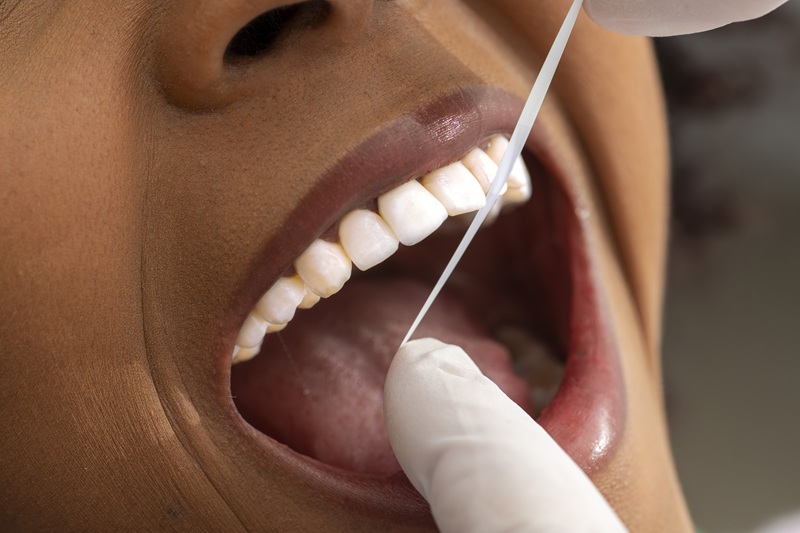
Floss daily, just as you would with natural teeth. Be gentle around the base of each veneer to avoid placing unnecessary stress on the bonding.
Mouthwash
An alcohol-free mouthwash is preferable. High concentrations of alcohol can, over time, soften the bonding agent that holds your veneers in place.
What to avoid: Steer clear of using your teeth as tools, like opening packets, biting nails, or chewing on pens. These habits put unpredictable pressure on veneers and increase the risk of chipping.
Foods and Drinks to Be Mindful Of
While veneers are designed to function like natural teeth, there are some foods to avoid with veneers, or at least approach with care.
Hard foods
Biting directly into very hard foods (think hard lollies, ice, crusty bread, or whole apples) can place significant stress on porcelain. Where possible, cut these foods into smaller pieces rather than biting into them with your veneers.
Staining foods and drinks
Porcelain is relatively stain-resistant, but the bonding material around the edges of your veneers is not. Over time, frequent exposure to things like coffee, tea, red wine, and dark-coloured sauces can cause subtle discolouration around the margins.
Rinsing with water after consuming these is a simple habit that makes a difference.
For composite veneers specifically: Because composite resin is more porous than porcelain, composite veneer care requires extra attention to staining foods and drinks, particularly in the early weeks after placement when the material is still settling.
Protecting Veneers from Damage
Beyond daily cleaning, there are a few key habits worth developing to protect your veneers from unnecessary wear or damage.
Wear a night splint if recommended
Grinding or clenching your teeth during sleep (a condition called bruxism) is one of the most common causes of veneer damage. To combat this, an occlusal splint may be recommended for all veneer patients following treatment, and for good reason.
Wearing it every night creates a protective barrier between your upper and lower teeth, helping to absorb the forces of any grinding that might otherwise be transferred to your veneers.
Wear a mouthguard for sport
If you play contact sports, a custom-fitted sports mouthguard is a worthwhile investment. An accidental impact without protection can be costly to repair.
Avoid using your teeth as tools
It bears repeating. Biting into packaging, bottle caps, or anything that isn’t food puts your veneers (and your natural teeth) at unnecessary risk.
The Role of Regular Dental Check-Ups
No home care routine replaces the value of regular dental check-ups for veneers. Professional visits allow your dentist to:
- Assess the condition of your veneers and the bonding margins
- Remove any build-up that brushing and flossing can’t reach
- Polish composite veneers to restore their original lustre
- Identify early signs of wear, chips, or gum changes before they become bigger issues
- Adjust your night splint if needed
Staying consistent with your visits is one of the most effective forms of long-term veneer maintenance.
Also, if you notice a chip, a rough edge, sensitivity around a veneer, or any change in how your bite feels, contact your dental team promptly. Small issues are almost always easier to address early.
Protect Your Veneers Today
Getting veneers is an exciting milestone, and the effort you put into looking after them is what keeps that smile looking and feeling its best for years to come. If you continue to follow these habits (and other tips from your dentist), you can protect a lasting smile that you can genuinely be proud of.
If you have questions about how to care for your veneers or you’re ready to explore veneers for the first time, our warm, welcoming team at Greenslopes Dental Studio is here for you to be guided and supported.
Set a schedule to get assessed by our qualified team of dentists.
Frequently Asked Questions
How long do dental veneers last with proper care?
With good daily habits and regular dental check-ups, porcelain veneers can last anywhere from 10 to 15 years or longer. Composite veneers generally have a lifespan of around 5 to 7 years before they may need polishing or replacement.
How long your veneers last will depend on your oral hygiene routine, lifestyle habits, and how consistently you visit your dentist.
What is the best way to take care of veneers day to day?
The best way to take care of veneers is to brush twice daily with a soft-bristled toothbrush and a non-abrasive toothpaste, floss gently every day, and rinse with an alcohol-free mouthwash.
Avoid using your teeth to open packaging or bite into very hard foods, and wear your night splint if one has been recommended by your dentist.
Can I whiten my veneers if they start to look dull?
Traditional whitening treatments do not work on veneers the way they do on natural teeth. Porcelain and composite materials don’t respond to whitening agents, so if your veneers appear dull or discoloured around the margins, it’s best to visit your dentist.
A professional polish or assessment can help restore their appearance and identify whether any maintenance is needed.
What foods should I avoid with veneers?
It’s a good idea to be mindful of very hard foods, like hard lollies, ice, and crusty bread, that can place excessive stress on your veneers. Highly pigmented foods and drinks such as coffee, red wine, and dark sauces can cause gradual staining around the bonding margins over time, particularly with composite veneers.
Rinsing your mouth with water after consuming these can help reduce their impact.
Do I still need to see a dentist regularly if my veneers feel fine?
Yes, regular dental check-ups are an essential part of long-term veneer maintenance, even when everything feels comfortable. Your dentist will check the condition of the veneers, the health of the surrounding gum tissue, and the integrity of the bonding margins. Many small issues can be identified and addressed early during a routine visit before they become more significant concerns.
What should I do if my veneer chips or feels loose?
Contact your dental team as soon as possible. A chipped or loose veneer should always be assessed by a dentist promptly. Don’t wait until your next scheduled check-up. In many cases, minor chips in composite veneers can be repaired chairside, while porcelain veneers may need to be replaced depending on the extent of the damage.
Is a night splint really necessary after getting veneers?
If your dentist has recommended an occlusal splint, it’s well worth wearing it consistently. Grinding or clenching during sleep is a very common habit, and it places significant force on your veneers over time.
A night splint acts as a protective barrier and is one of the most effective ways to extend the life of your veneers.

