

Waking up with a sore jaw, a dull headache, or being told by a partner that you’re grinding your teeth in your sleep are all common ways people first realise something’s going on. Teeth grinding treatment often starts with exactly this kind of moment, not necessarily pain during the day, but signs that something’s happening while you sleep.
It’s more common than most people realise, and it doesn’t always come with obvious warning signs early on. For many, the first real clue is a dentist noticing wear patterns during a routine check-up, long before any discomfort sets in.
Understanding what’s causing it, and how a properly fitted guard can help, is often the first step toward protecting your teeth from further damage.
What Is Teeth Grinding (Bruxism)?
Bruxism is the clinical term for grinding or clenching your teeth, and it comes in two forms: sleep bruxism and awake bruxism. Some people clench during the day, often linked to stress or concentration, while others grind specifically at night without any awareness that it’s happening.
Night time grinding is generally the more damaging of the two, simply because it happens for longer stretches and without any conscious control.
Signs You Might Be Grinding Your Teeth in Your Sleep
Because it happens while you’re asleep, grinding often goes unnoticed until either a partner mentions the sound or a dentist spots the physical signs during a check-up. Common indicators include:
- Jaw soreness or tightness, particularly first thing in the morning
- Headaches that seem to originate near the temples or jaw
- Flattened, chipped, or worn edges on the teeth
- Increased tooth sensitivity
- In more chronic cases, a visibly enlarged jaw muscle, sometimes referred to as masseter muscle hypertrophy, from repeated clenching
If any of this sounds familiar, it’s worth mentioning at your next dental visit even if nothing feels seriously wrong yet.
Why It’s Worth Addressing
When you leave your teeth grinding issues unmanaged, the effects of grinding teeth tend to build up gradually rather than happen all at once. Enamel wears down slowly with repeated grinding, leading to tooth wear and enamel erosion that can change both how your teeth look and how they function over time. As enamel thins, sensitivity often increases, and in more significant cases, teeth can chip or crack under the ongoing pressure.
Jaw clenching at night can also extend beyond the teeth themselves, sometimes contributing to broader jaw discomfort. In more persistent cases, this can progress to needing TMJ disorder treatment to manage joint-related pain and stiffness, which is generally a more involved process than catching the grinding early.
A Note for Parents for Toddlers Grinding Teeth in Sleep
If you’ve noticed your toddler grinding their teeth in their sleep, take a breath. This is generally common at their age, and usually nothing to worry about.
Many young children grind as new teeth come through, or their bite settles into place, and in most cases, it resolves on its own without treatment. It’s still worth a mention at their next dental check-up so it can be kept an eye on, but on its own, it isn’t typically a cause for concern.
Everyday Steps That Can Help
There’s no single fix for everyone, since grinding can stem from a few different causes. It can be because of stress, bite alignment, or even sleep quality. However, there are few things that can help prevent teeth grinding during sleep include:
- Managing stress levels through relaxation techniques or exercise
- Reducing caffeine and alcohol in the hours before bed
- Addressing any underlying bite issues with your dentist
These steps can make a real difference, but for a lot of patients, a properly fitted night guard remains the most reliable way to protect teeth while the underlying cause is being managed alongside it.
How Occlusal Splints and Night Guards Protect Your Teeth
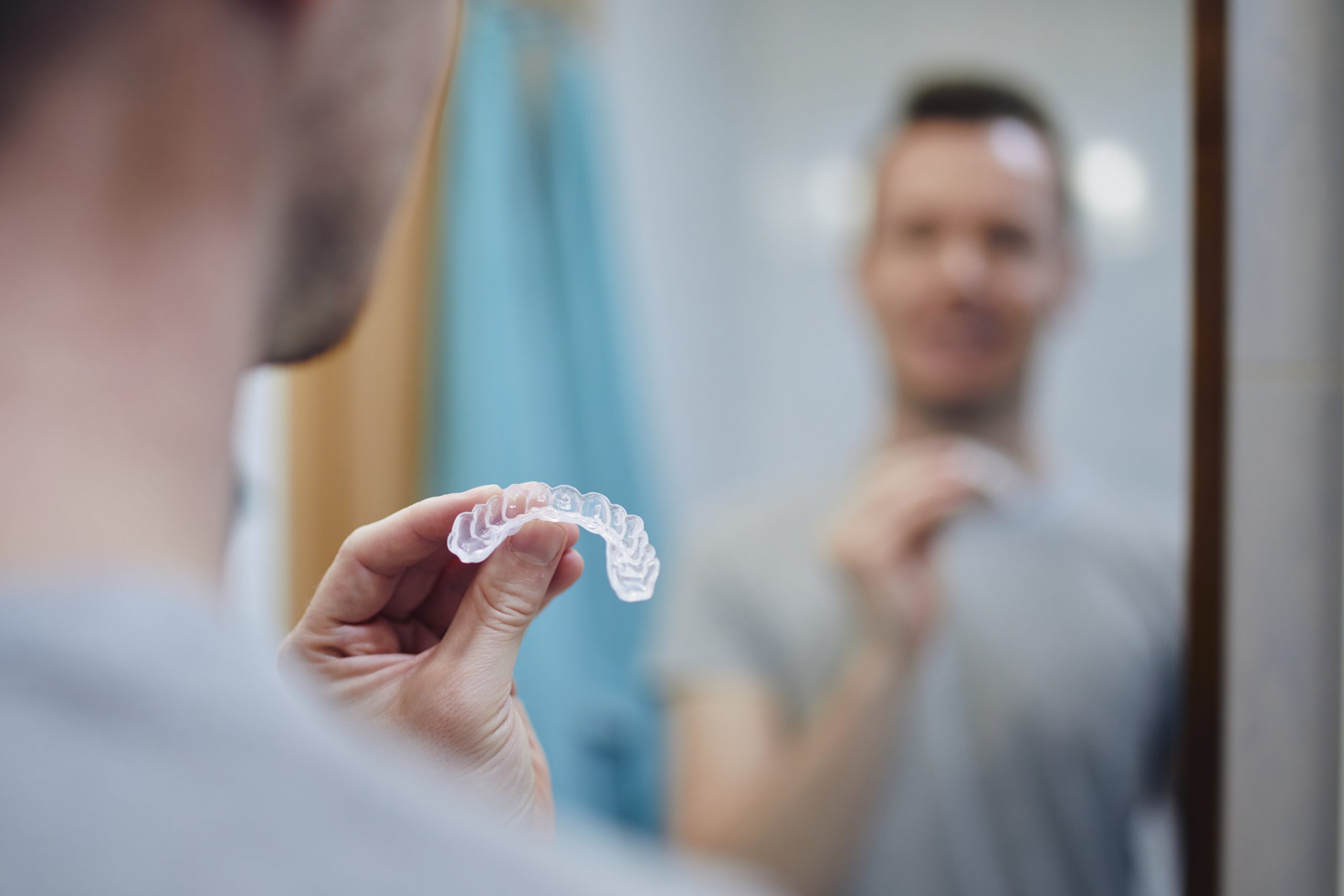
An occlusal splint, more commonly known as a night guard, is a custom dental mouthguard designed to sit over your teeth while you sleep.
So how does a night guard protect teeth exactly?
It creates a physical barrier between your upper and lower teeth, absorbing the pressure from grinding or clenching so your natural tooth structure isn’t taking the impact directly.
Custom-fitted splints are shaped specifically to your bite, which is why they tend to feel more comfortable and work more effectively than generic, store-bought versions. A well-fitted guard won’t stop the grinding itself, but it protects your teeth from the wear that would otherwise build up night after night.
Types of Night Guards and What They Cost in Australia
Night guard options in Australia generally fall into a few categories: soft guards, harder acrylic splints, and dual-laminate designs that combine both. Which one suits you depends on how significant your grinding is — something your dentist can assess by looking at your bite and any existing wear.
Dental splint cost in Australia varies depending on the type of guard and whether it’s custom-made specifically for you, so a consultation is really the most reliable way to understand what’s right for your situation and budget.
Protecting Your Smile, One Night at a Time
Grinding is often something people live with quietly for a while, mostly because it happens overnight without an obvious trigger to point to. Regular check-ups play a big role here. A dentist can often spot early wear patterns before you’re even aware there’s an issue.
If jaw soreness, morning headaches, or worn teeth sound familiar, a custom night guard from Greenslopes Dental Studio can help protect your smile while any underlying cause is addressed. Patients in or near Brisbane can talk to our team to know your options.
Book an appointment with our team, or call us on 07 3733 3555, to find out if a splint is right for you.
Frequently Asked Questions
How do I know if I need a night guard?
Signs like morning jaw soreness, headaches, or visibly worn teeth are common indicators. Your dentist can confirm whether grinding is occurring and recommend the right type of guard based on your bite.
Is teeth grinding always caused by stress?
Not always. While stress is a common trigger, grinding can also relate to bite alignment, sleep patterns, or other individual factors. A dentist can help identify what’s contributing to your specific case.
Should I worry if my toddler grinds their teeth at night?
Generally, no. It’s common in young children and often resolves on its own as their teeth and bite develop. It’s still worth mentioning at a routine dental visit so it can be monitored.
Can a night guard stop teeth grinding completely?
A night guard protects your teeth from the impact of grinding, but it doesn’t necessarily stop the grinding itself. Addressing any underlying cause, alongside wearing a guard, gives the best overall outcome.

