

Dentistry has always been a balance between science, skill, and trust, and what has changed over the past decade is the role technology now plays in supporting that balance in our clinic.
Digital systems and AI are no longer add-ons and GDS they sit at the centre of our diagnosis, planning, and communication.
At our new Greenslopes clinic, digitisation was not about chasing trends. It was a practical decision based on how dentistry is actually practised today, and how patients expect to engage with their care. The aim was simple. Improve accuracy, reduce uncertainty, and give patients clearer information from the very first appointment.
One of the most immediate benefits of our digitised clinic is access to accurate information, quickly. We use our own in-house X-ray systems, which allow clinicians to take images during the appointment and review them instantly.
Digital X-rays provide clearer detail than older film-based systems and expose patients to lower levels of radiation. More importantly, they remove delays. There is no need to send patients elsewhere or wait days for results. Treatment discussions can happen straight away, with the images on screen and the dentist explaining exactly what they mean.
This changes the tone of appointments. Conversations become specific rather than speculative. Patients can see what the dentist sees and understand why certain recommendations are being made.
3D scanning replaces guesswork as traditional dental impressions relied heavily on physical moulds. They were uncomfortable for patients and introduced room for error. Digital 3D scanning has largely replaced this process, and for good reason.
At GDS, we use digital scans across a wide range of treatments, including veneers, implants, orthodontics, and children’s dentistry. These scans produce precise, three-dimensional models of the teeth and bite. They allow dentists to plan treatment in detail before any irreversible steps are taken.
For complex procedures like implants and veneers, precision matters. A digital model allows clinicians to assess spacing, alignment, and bite forces with far greater accuracy. It also reduces the risk of remakes and adjustments later on. For patients, scanning is faster and more comfortable. For children in particular, removing the need for trays and impression material makes appointments far easier to manage.
Artificial intelligence is now embedded into many of the tools dentists use, particularly in orthodontic planning. One of the clearest examples is Invisalign’s Smile Architect system, which is used at GDS as part of the consultation process.
This technology combines digital scans with AI-driven modelling to show patients a realistic progression of their treatment. During an initial consult, patients can view their current teeth, the projected result after Invisalign, and an additional projection that includes veneers where appropriate.
These simulations are not generic. They are based on the patient’s own dental structure and facial features. The AI helps map achievable tooth movement and realistic outcomes, rather than idealised results.
This level of transparency matters. Patients no longer need to imagine what their teeth might look like. They can see it. That clarity helps them decide whether treatment is right for them and what level of change they are comfortable with.
Much of dental anxiety comes from uncertainty. Patients worry about outcomes, discomfort, and whether the end result will match what they were told, we find digitisation and AI helps reduce that uncertainty.
When patients can see proposed changes to their teeth within their own face, expectations become grounded. There is less room for misunderstanding. That leads to better alignment between patient and clinician, and fewer disappointments later.
AI does not replace clinical judgement. Here at GDS, we believe it supports it. Dentists still assess suitability, manage limitations, and adjust plans based on experience. The technology simply provides better tools for explanation and planning.
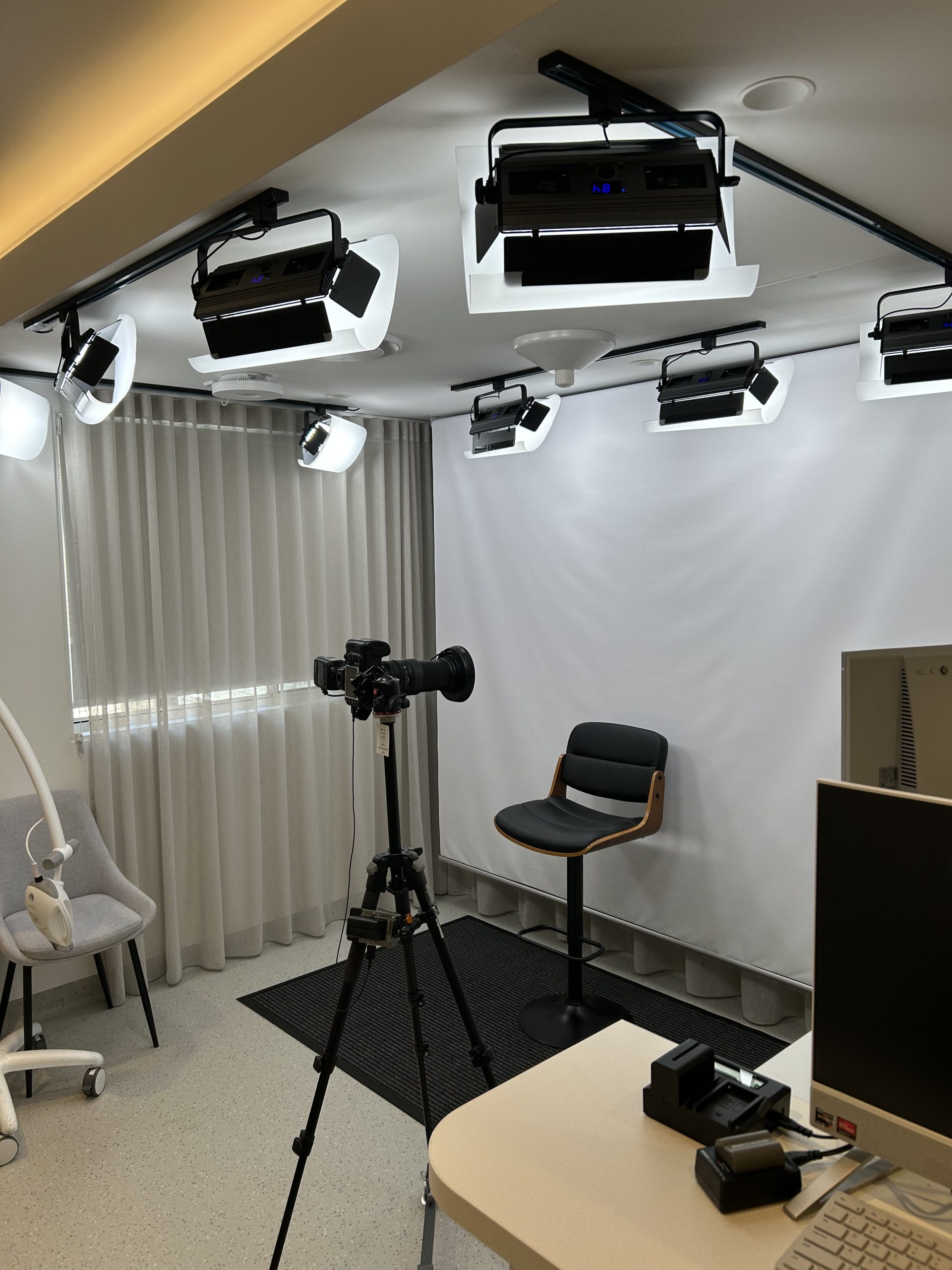
Digitisation also improves how clinics communicate internally. GDS has an in-house media room for clinical photography, which supports accurate documentation and treatment planning. High-quality images allow dentists, specialists, and labs to work from the same information. This consistency reduces errors and improves continuity of care, especially for multi-stage treatments. It also benefits patients. Progress can be tracked visually. Changes are documented clearly. Nothing relies on memory alone.
Technology should make dentistry feel easier, not more clinical. That principle guided the design of the new clinic. Children can watch Netflix or YouTube during appointments, which helps reduce stress and distraction. Digital scans shorten appointment times. Clear visuals reduce the need for repeated explanations.
Behind the scenes, digital systems streamline scheduling, records, and treatment planning. That efficiency allows clinicians to spend more time focusing on the patient in the chair.
A fully digital clinic still depends on people. GDS has invested heavily in experienced dentists and specialists who understand both modern systems and fundamental clinical principles.
Digitisation supports their work, but it does not replace listening, patience, or care. Appointments are structured, but not rushed. Treatment plans are discussed openly, with space for questions and second opinions.
Old school values still apply. Do the work properly, explain decisions clearly and follow up. AI and digital tools will continue to evolve. Diagnostics will improve. Planning will become more predictive. Treatment timelines will tighten.
The challenge for dental clinics is not whether to adopt these tools, but how to use them responsibly. When digitisation supports clarity, accuracy, and communication, it improves care. When it becomes a shortcut, it undermines trust.
GDS’s approach reflects where modern dentistry is heading. Fully digital, supported by AI, but grounded in clinical judgement and service. Technology does the heavy lifting. Our team stay accountable and you stay informed.

