

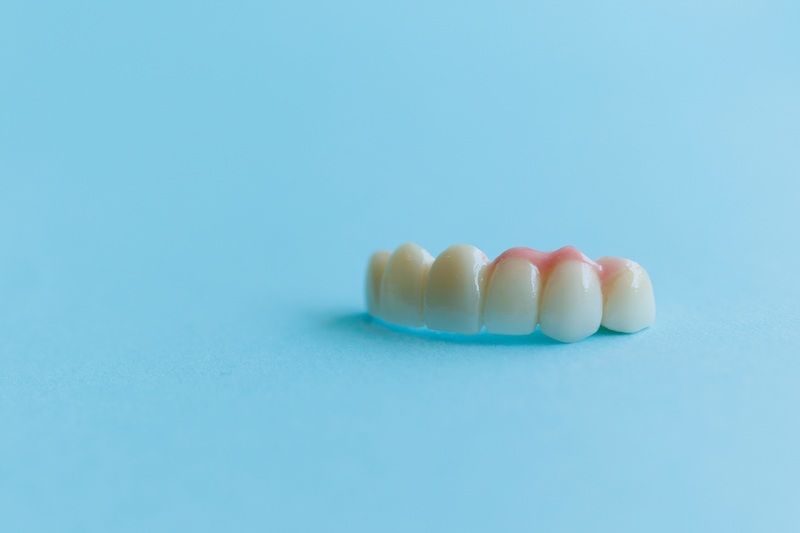
When it comes to repairing or replacing teeth, two of the most trusted solutions are dental crowns and bridges. They don’t just restore your teeth’s function, but they also help bring back the aesthetic back to your smile. But if you’re thinking about getting them, it’s natural to wonder: “How long will they actually last?”
The truth is, while crowns and bridges are not permanent, they can serve you well for many years with the right care.
In this guide, we’ll break down everything you need to know about dental crowns and bridges, including what their differences are, how long you can expect them to last, the factors that affect their lifespan, and simple tips to help you get the most out of your treatment.
What Are Dental Crowns and Bridges?
Let’s first understand each one of them to know their common grounds and their differences.
Dental Crowns
A dental crown is a cap that covers a damaged, broken, or weak tooth. It restores the tooth’s shape, strength, and function, and can be typically made from porcelain, ceramic, metal, or a combination of materials.
Dental Bridges
A dental bridge fills the gap left by a missing tooth. It usually consists of an artificial tooth held in place by crowns attached to the neighbouring teeth. This not only restores your smile but also helps with chewing and speaking properly.
Together, dental crowns and bridges treatment can help protect teeth, restore function, and improve appearance.
How Long Do Dental Crowns and Bridges Usually Last?
Now, the million dollar question in this blog: how long do dental crowns and bridges last?
Most dental crowns and bridges last between 5 to 15 years. With excellent care, some can even last 20 years or longer.
However, there is actually no exact lifespan for these dental restoration treatments, as they depend on several factors, including:
- The material used (ceramic, porcelain, or metal-based)
- Your oral hygiene habits
- How much pressure your teeth are under from chewing or grinding
- Regular dental check-ups and maintenance
Let’s discuss these factors one by one for you to understand why they affect the lifespan of crowns and bridges.
Factors That Affect the Lifespan of Crowns and Bridges
1. The Material Used
The type of material plays a big role in how long dental crowns and bridges last. Different options have their own strengths:
- Porcelain and ceramic: These are often chosen for front teeth because they blend in naturally with your smile. They are designed to look like real teeth, but they can be less resistant to strong biting or grinding forces. That means they may wear down or chip a little sooner if you regularly bite into very hard foods.
- Porcelain-fused-to-metal (PFM): This option combines the natural look of porcelain with the added strength of a metal base. It’s a popular choice for both front and back teeth, as it balances appearance and durability. Over time, however, a thin metal line may sometimes be seen near the gum line.
- All-metal (such as gold or other alloys): While not as common today for visible teeth, metal crowns are extremely durable and can withstand heavy chewing forces. They are often used for back teeth where strength matters most and appearance is less of a concern.
Choosing the best dental crown and bridges option depends on your needs and what your dentist recommends.
2. Oral Hygiene Habits
Even though crowns and bridges are artificial, the teeth and gums around them still need protection. That means if you have poor oral hygiene, it can still lead to decay or gum disease, which may shorten the life of your dental work.
3. Teeth Grinding or Clenching
If you grind your teeth at night (a condition called bruxism), you put extra stress on crowns and bridges. To protect them and prolong their lifespan, a night guard may be recommended to protect both your natural and artificial teeth.
4. Diet and Lifestyle
What you eat and drink every day has a big impact on the lifespan of your dental crowns and bridges. Hard foods like nuts, ice, or boiled lollies can put extra pressure on crowns and may cause them to chip or crack. Sticky treats, such as caramel or chewing gum, can sometimes loosen a bridge or pull at the edges of a crown.
Lifestyle habits, like smoking and heavy alcohol use can affect your gums and overall oral health, making it harder for crowns and bridges to stay secure.
5. Regular Dental Care
Routine check-ups and professional cleaning are key to maintaining the health of both your natural teeth and your dental crowns and bridge service.
How to Choose the Best Dental Crown and Bridges Option
Not all crowns and bridges are the same for all people. As with any other dental treatment, in our dental clinic, we always make sure our patients get personalised treatment plans for themselves. The best dental crown and bridges choice for you will depend on:
- Where the tooth is located (front or back)
- The level of strength needed for chewing
- Your preference for appearance and durability
- Your budget and dentist’s advice
Your dentist will discuss the different types of crowns and bridges available and guide you to the most suitable option for your needs.
Crowns and Bridges Can Last for Many Years
Dental crowns and bridges are reliable solutions that can last a decade or more with proper care. Their lifespan depends on the materials used, your daily habits, and regular dental care. Basically, that means their life depends on how well you take care of them.
So, if you want them to last for long, make sure to take note of the factors and act on them.
If you’re considering dental crowns and bridges treatment or want to check the condition of your existing dental work, book an appointment at Greenslopes Dental Studio. Our experienced team can guide you on the best options for your smile and help you maintain your dental health for years to come.

